
Nourish your body,
transform your wellbeing
Science, simplified.
Expert nutrition guides, supplement reviews and healthy living tips — all backed by research, written to help you make better choices every single day.
Your evidence-based guide to nutrition and healthy living
At Nutraword, we believe that making smarter health decisions starts with understanding the science behind what you eat. Every article on this site is grounded in peer-reviewed research, written in plain language so it's accessible to everyone, and reviewed for factual accuracy by qualified nutrition professionals before it goes live.
The internet is overflowing with contradictory health advice — fad diets, exaggerated supplement claims, and wellness trends that vanish as quickly as they appear. Nutraword was founded as a deliberate counterpoint to that noise. We take a slower, more rigorous approach: our writers start with the published clinical literature, assess the strength of the evidence, and only then translate findings into practical guidance that real people can actually use in their daily lives.
Whether you are managing blood sugar through diet, researching a new supplement, trying to improve your gut microbiome, recovering better from exercise, or navigating the hormonal changes of different life stages — Nutraword covers it with depth, honesty, and zero sensationalism. Our editorial policy prohibits us from publishing unverified claims, and we are transparent when the evidence is limited or mixed.
Read Our Editorial Policy →Featured Articles
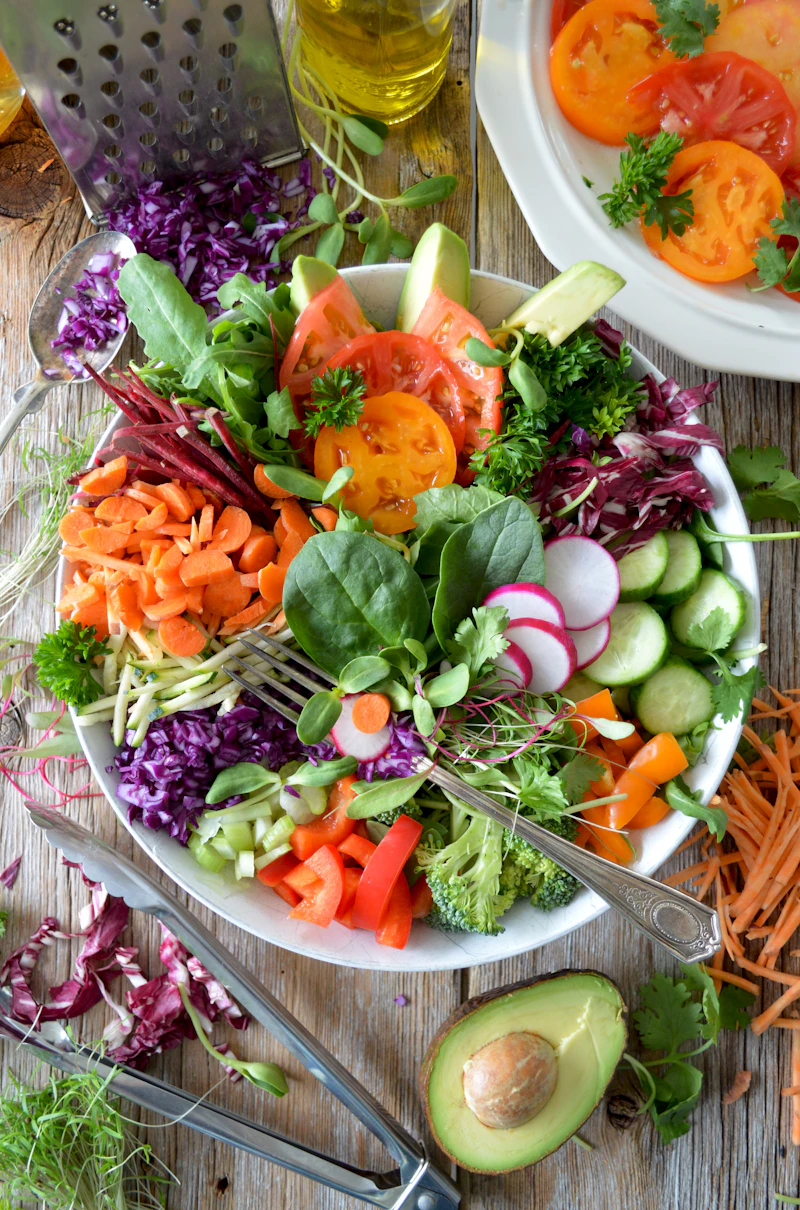
Nutrition · Vitamin Rich Veg
Vitamin-Rich Vegetables: Nature's Best Source of Daily Nutrition
Discover which everyday vegetables pack the highest concentrations of vitamins A, C, K, and folate — and the best cooking methods to preserve their nutritional value.
May 19, 2026

Healthy Snacks
Carrot Cake Balls Benefits for Health | Healthy Snack Ideas 2026
These no-bake energy bites combine fibre-rich carrots with oats and natural sweeteners for a guilt-free snack that actually satisfies cravings.
May 15, 2026

Herbal Teas
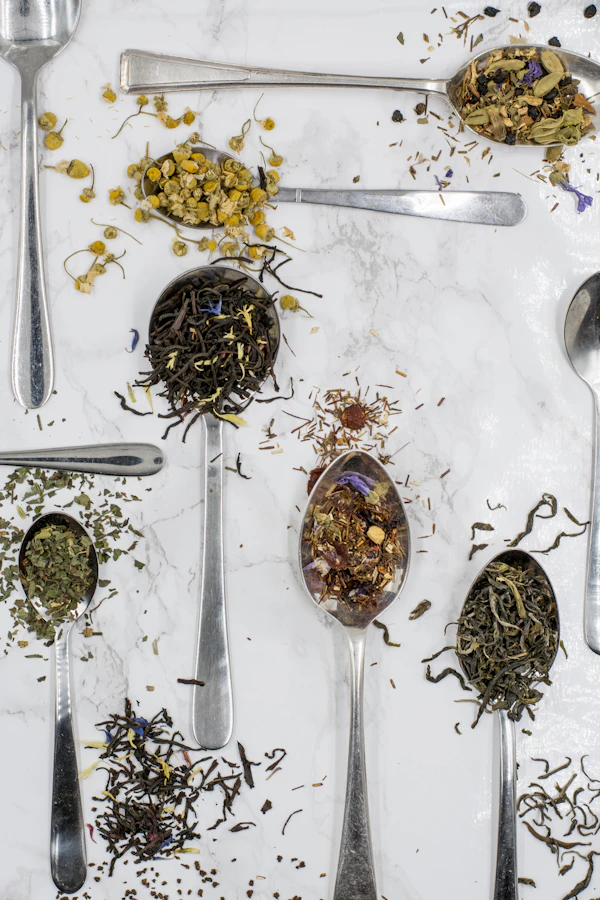
Heath & Heather: The Herbal Tea Brand That Brings Wellness Into Everyday Life
We review Heath & Heather's botanical blends, examining the clinical science behind chamomile, peppermint, echinacea, and more.
May 13, 2026
Explore Categories





What You'll Find on Nutraword
Nutraword covers six core subject areas in nutrition and health. Each area is supported by a dedicated team of writers with subject-matter expertise, and our goal in every category is the same: to give you the most accurate, useful, and up-to-date information available — clearly explained and free from commercial influence.
Nutrition & Diet Science
Understanding nutrition is harder than it should be. Conflicting headlines, industry-funded studies, and a constant stream of new diets make it genuinely difficult to know what to eat. Our nutrition guides cut through the confusion by grounding everything in robust, replicated science. We explain macronutrients and micronutrients, explore the glycaemic index and glycaemic load, decode food labels, and offer evidence-based guidance on dietary approaches from Mediterranean and plant-based diets to intermittent fasting. We never champion a single diet as universally superior — because the evidence doesn't support that claim.
Supplement Reviews & Analysis
The global supplement industry is worth hundreds of billions of dollars — and much of it is built on weak evidence and marketing language. Our supplement reviews are written to be the antidote. Before we publish any recommendation, our team assesses the ingredient list for clinical dosages, reviews bioavailability and absorption data, checks for potential interactions, and evaluates the quality of supporting studies. We cover everything from foundational supplements like Vitamin D, Magnesium, and Omega-3s to trending products such as ashwagandha, berberine, and collagen peptides. No free samples accepted. No paid placements. Just the evidence.
Herbs, Botanicals & Ayurveda
Traditional herbal medicine predates modern pharmacology by thousands of years, and a growing body of scientific research is beginning to validate what many traditional systems have long asserted. At Nutraword, we explore Ayurvedic herbs and Western botanicals through a dual lens: honouring the traditional knowledge base while rigorously examining the quality and applicability of current clinical evidence. Our guides on herbs like turmeric, ashwagandha, triphala, moringa, and tulsi are balanced, transparent about evidence limitations, and always updated when new research is published.
Fitness, Training & Recovery Nutrition
Exercise physiology and sports nutrition are among the most well-researched areas in health science — yet much of the most important research rarely makes it out of academic journals and into practical guides. Our fitness nutrition articles cover the full performance cycle: pre-workout fuelling strategies, intra-workout hydration and electrolytes, post-workout protein and carbohydrate timing for muscle protein synthesis, and longer-term approaches to building body composition. We translate the research on creatine, BCAAs, caffeine, and beta-alanine into honest assessments of when they work, for whom, and at what dose.
Women's Health & Hormonal Nutrition
Women's bodies have distinct nutritional needs that vary dramatically across different life stages — and for too long, most nutrition research was conducted almost exclusively on male subjects. Nutraword's women's health section addresses this gap directly. We cover the dietary and supplemental approaches that are supported by evidence for managing PCOS, endometriosis, PMS, fertility, pregnancy, postpartum recovery, perimenopause, and menopause. We also address the unique risk factors women face for conditions like iron-deficiency anaemia, osteoporosis, and thyroid dysfunction, and the nutritional strategies shown to help.
Skin Health & Beauty Nutrition
The relationship between diet and skin health is one of the most rapidly advancing areas in dermatological research. What you eat has a measurable impact on acne severity, skin hydration, the rate of collagen production, and the progression of conditions like eczema, rosacea, and psoriasis. Our skin and beauty nutrition guides examine the dietary factors — from omega-3 fatty acids and antioxidant-rich foods to high-glycaemic diets and dairy — that research has linked to skin outcomes. We also cover topical nutrition trends like collagen supplements and hyaluronic acid with the same evidence-first rigour we apply to every other category.
Latest Articles
 New
New
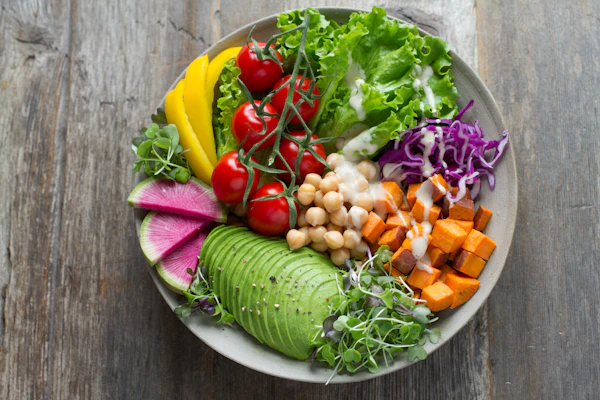
Gut Health
Foods That Really Support Your Gut Health Naturally
Your gut microbiome influences immunity, mood, metabolism, and even cognitive function. We examine the specific prebiotic and probiotic foods backed by clinical research to measurably improve microbiome diversity, reduce gut inflammation, and strengthen the intestinal lining — with guidance on how much to eat and when.
 New
New
Blood Sugar
5 Healthiest Ways to Eat Dates for Better Blood Sugar Control
Dates are naturally high in sugar but carry a lower glycaemic impact than most people assume, thanks to their fibre content and polyphenol profile. This guide explains five evidence-informed pairing and portion strategies that allow you to enjoy dates regularly without destabilising blood glucose — including the research behind each approach.
Supplements
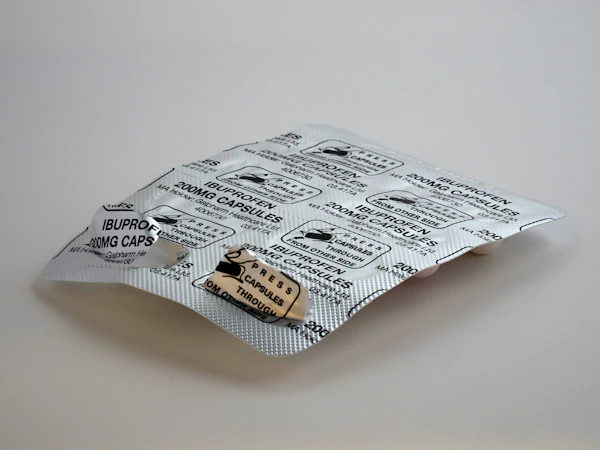
Evion 400 Capsule: Benefits, Dosage, Uses & Side Effects Explained
Evion 400 is one of India's most widely used Vitamin E supplements, yet many people take it without understanding when it's actually needed or what the risks of excess intake look like. This comprehensive guide covers who genuinely benefits from supplementation, what the clinical evidence says about its uses for skin and hair, and what side effects to monitor at higher doses.
Seasonal Nutrition
5 Body Cooling Foods That Help Control Heat & Fatigue
Extreme summer heat increases internal body temperature, accelerates fluid and electrolyte loss, and can elevate inflammatory markers. These five science-supported cooling foods work through distinct mechanisms — improving hydration status, reducing internal oxidative stress, and supporting the body's own thermoregulation pathways. We explain the physiology and the practical guidance.

Fitness Nutrition
What to Eat After Gym: The Ultimate Post-Workout Nutrition Guide
The anabolic window after training is real, though its timing is more flexible than gym culture suggests. This guide breaks down the evidence on post-workout protein quantity and quality, the role of carbohydrates in glycogen replenishment, and the micronutrients that support muscle repair — with practical meal and snack ideas for different training goals and schedules.
Skin & Diet
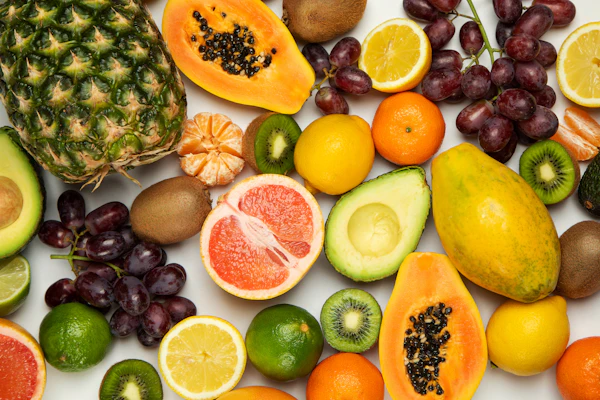
5 Summer Fruits That Are Delicious — But May Trigger Pimples
Certain fruits popular in summer months carry high glycaemic loads or specific bioactive compounds that research has associated with increased sebum production and inflammatory acne flares in susceptible individuals. We review the evidence for each fruit, explain the biological mechanism at play, and suggest smarter substitutions that deliver similar nutrients without the skin-aggravating effects.
Why readers trust Nutraword
Every article on Nutraword is written by qualified nutrition writers with recognised credentials, and cross-referenced with peer-reviewed studies published in reputable journals. We do not publish health fads, unsubstantiated claims, or content that prioritises clicks over accuracy. Our editorial policy requires every factual claim to be traceable to a published clinical source, and we revise or update articles whenever new evidence materially changes the picture.
We are independently funded and do not accept payment in exchange for positive coverage or reviews. Our supplement and product assessments are guided solely by the quality, consistency, and applicability of the available scientific evidence — not by brand relationships.

Our editorial process
Every Nutraword article follows the same four-stage editorial process before publication. We believe transparency about how content is produced is itself a marker of quality — so here is exactly how we work.
Literature Review
Our writers begin with a structured review of available research on the topic, drawing from PubMed, Cochrane Reviews, and other peer-reviewed databases. We assess study quality, sample sizes, and whether findings have been independently replicated before drawing any conclusions.
Expert Drafting
Articles are drafted by writers with formal qualifications in nutrition, dietetics, or a closely related biomedical field. Every factual claim is annotated with its source during drafting so that reviewers can verify each statement against the original study before publication.
Professional Review
Before any article goes live, it is reviewed by at least one qualified nutrition professional who was not involved in the drafting stage. Reviewers check for factual accuracy, appropriate nuance around evidence limitations, and ensure no claim overstates what the current research actually supports.
Ongoing Updates
Publication is not the end of the process. Our most-read articles are audited every six months, and any article is updated whenever we identify new research that changes or strengthens our guidance. Update dates are displayed prominently so readers always know how current the information is.
Popular Topics


Frequently Asked Questions
We get a lot of questions about how Nutraword operates, how we evaluate evidence, and how to get the most out of our content. Here are honest answers to the most common ones.
Is the nutrition advice on Nutraword medically verified?
All content is written by qualified nutrition writers and cross-referenced with published clinical studies before publication. However, Nutraword is an educational resource and is not a substitute for personalised medical or dietary advice from a registered dietitian, nutritionist, or doctor. Nutritional needs vary significantly between individuals based on health status, genetics, age, and lifestyle factors. We strongly recommend consulting a qualified healthcare professional before making major dietary changes, starting new supplements, or if you have an existing health condition that may be affected by diet.
How do you choose which supplements to review?
We select supplements based on a combination of reader interest, market prevalence, and the availability of meaningful clinical data. We prioritise products where sufficient research exists to make an honest, balanced assessment. Our reviews evaluate ingredient quality, clinical dosage appropriateness, bioavailability and delivery form, safety profiles, and overall value for money. We do not accept free products, affiliate-only arrangements, or payment from supplement manufacturers in exchange for coverage — our reviews reflect our genuine assessment of the evidence, including when that evidence is weak or mixed.
What does "evidence-based" actually mean at Nutraword?
Evidence-based means that our recommendations and claims are derived from published scientific research, primarily randomised controlled trials (RCTs) and systematic reviews where they exist. We distinguish between different grades of evidence — a single small pilot study carries very different weight than a large multi-site RCT or a systematic review of multiple trials. When we discuss something that is supported by early, limited, or mixed evidence, we say so explicitly. We never present emerging or contested findings as established fact, because we believe readers deserve to understand the actual state of the science.
How often is content updated, and how can I tell?
Nutrition science evolves continuously, and advice that was considered accurate five years ago is sometimes contradicted or refined by newer research. We audit our most-read articles on a rolling six-month cycle and update content whenever new evidence materially affects our guidance. Every article on Nutraword displays both its original publication date and the date it was most recently reviewed or updated. If you are relying on a specific recommendation for a health decision, we recommend checking the update date and, for anything clinically significant, verifying with a healthcare professional.
What makes Nutraword different from other health websites?
Many health websites optimise primarily for search traffic, which creates an incentive to publish content quickly, sensationally, and in volume — often at the expense of accuracy. Nutraword takes a deliberately different approach. We publish fewer articles than many competitors, but invest more heavily in the research and review process for each one. We are also committed to transparency about the limits of our knowledge: when evidence is limited, contested, or too preliminary to support a strong recommendation, we tell you that rather than overstating certainty to sound more authoritative.
Can I contact Nutraword with a question or topic suggestion?
Absolutely. We read every reader message and actively use topic suggestions to guide our editorial calendar. If there is a nutrition question you have been unable to find a clear, evidence-based answer to elsewhere — that is exactly the kind of gap we want to fill. You can reach us through the contact page. We also welcome corrections: if you spot an error in one of our articles, please let us know and we will review and correct it as quickly as possible. Accuracy matters more to us than appearing infallible.