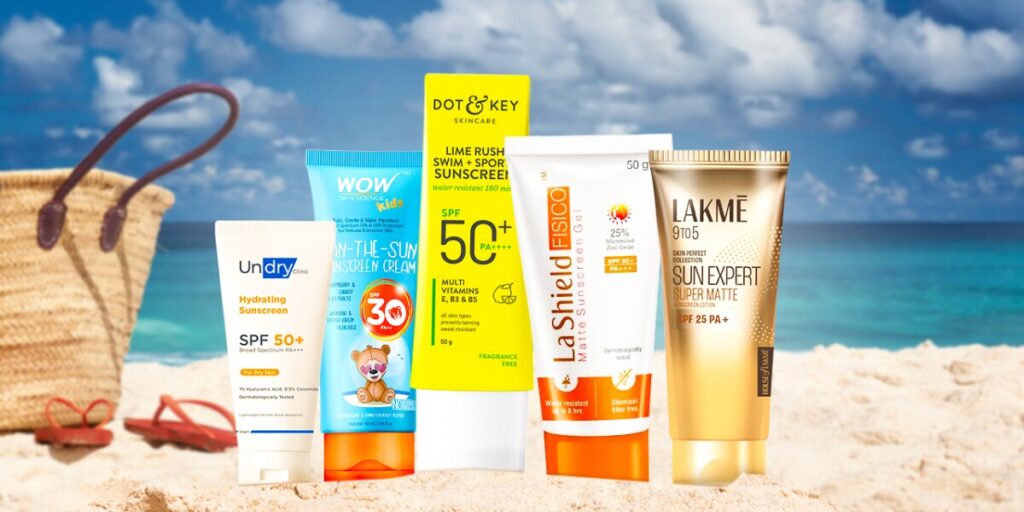
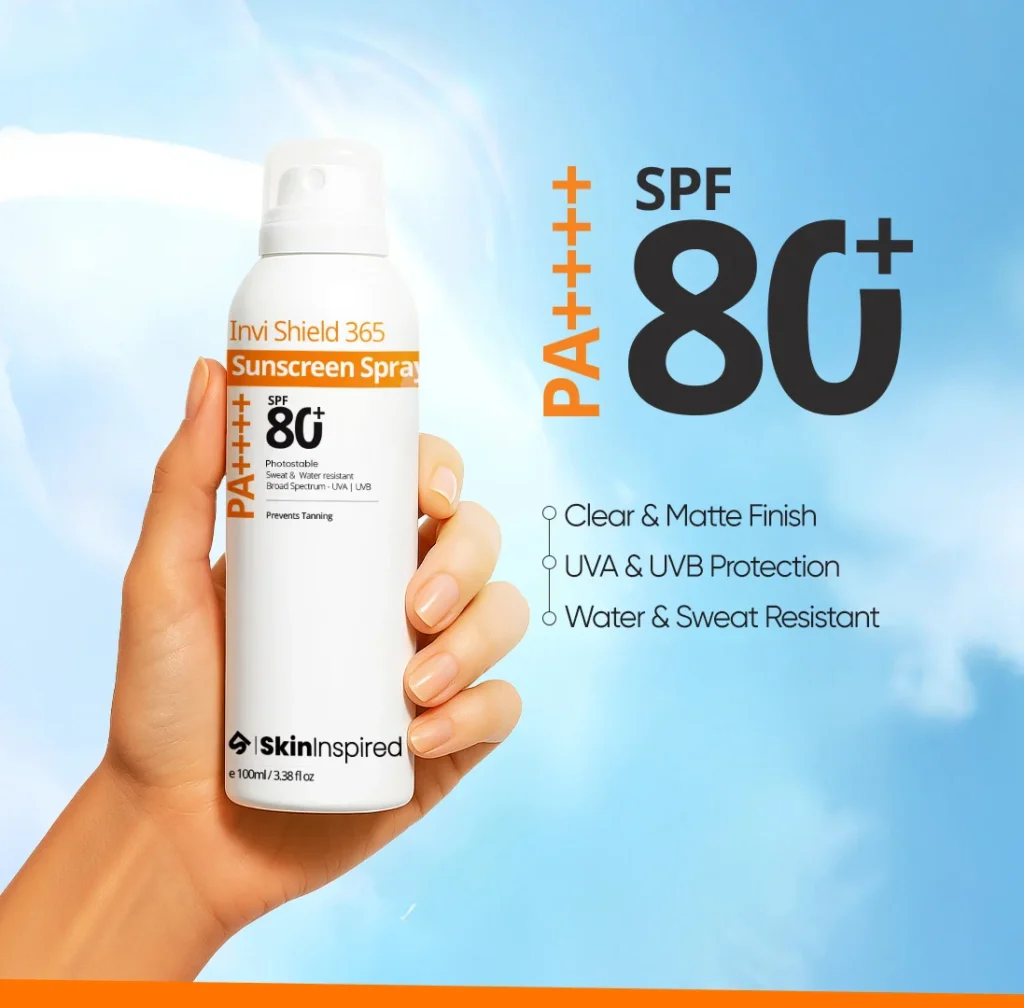
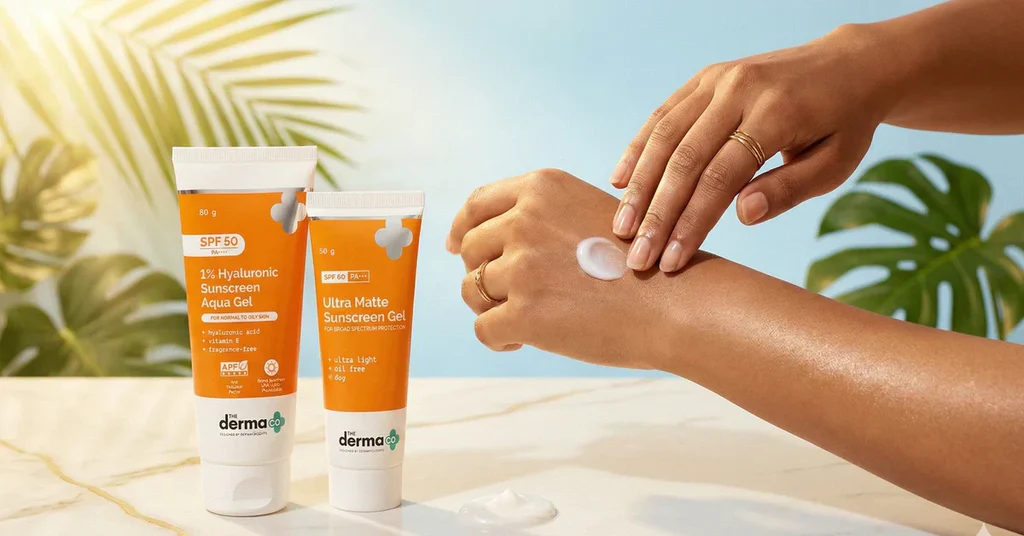
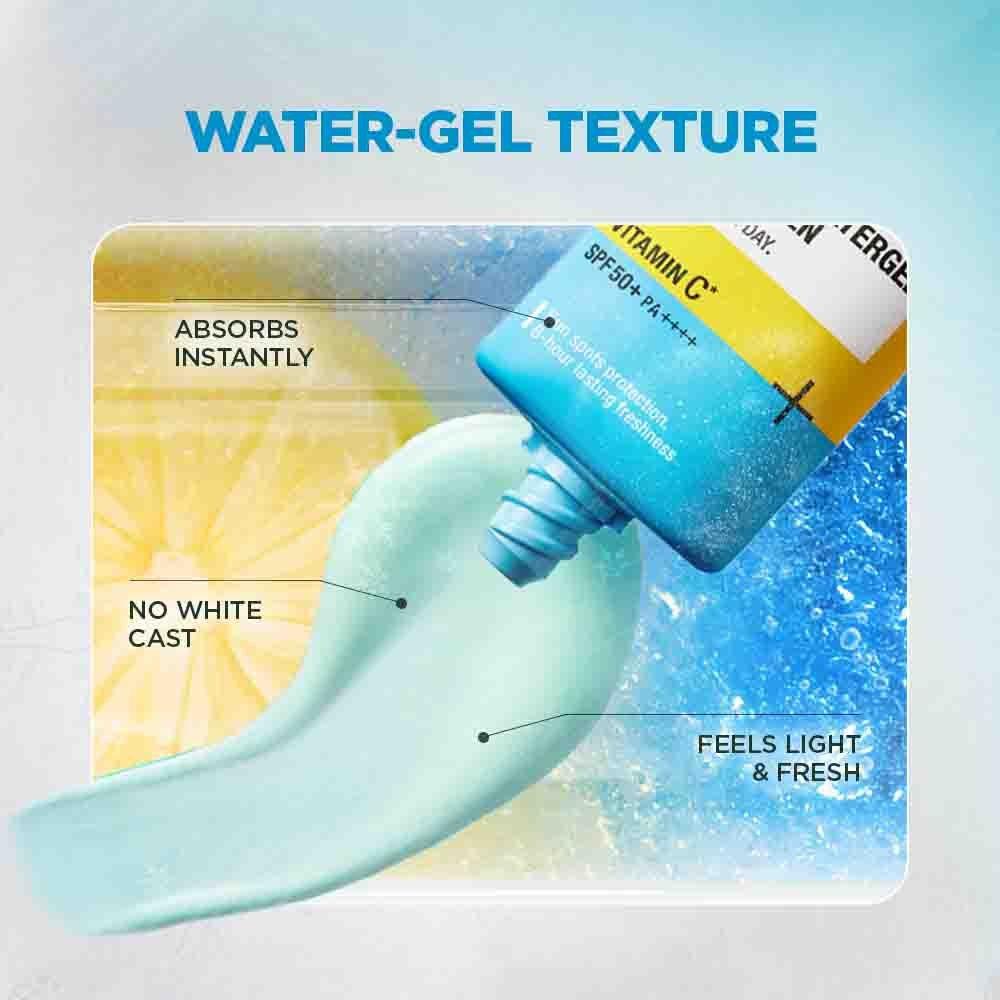
How to Choose the Best Sunscreen for Your Skin Type (Complete Guide 2026)

Best Sunscreen for Your Skin Type in 2026 | SPF Guide for Oily, Dry & Sensitive Skin

Confused about which sunscreen is best for you? Discover how to choose the right SPF for oily, dry, and sensitive skin. Expert tips, ingredients, and dermatologist advice included.

☀️ Why Sunscreen is Non-Negotiable

Sunscreen is not just a summer essential—it’s a daily skincare must-have. Whether you’re indoors or outdoors, UV rays can cause:

  • Premature aging
  • Sunburn
  • Hyperpigmentation
  • Skin cancer

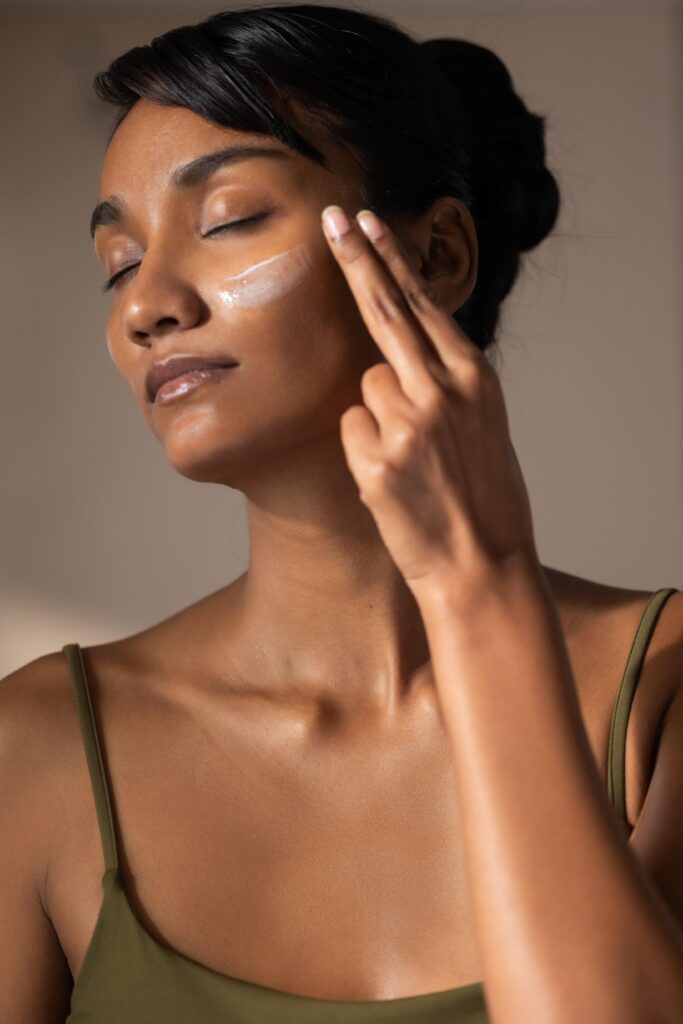
Using the right sunscreen protects your skin barrier and keeps your complexion healthy and glowing.

🧴 What Does SPF Really Mean?

SPF (Sun Protection Factor) measures how well a sunscreen protects your skin from UVB rays.

  • SPF 15 – Blocks ~93% UVB rays
  • SPF 30 – Blocks ~97% UVB rays
  • SPF 50 – Blocks ~98% UVB rays

👉 Dermatologists recommend SPF 30 or higher for daily use.

🌿 Types of Sunscreens Explained

1. Physical (Mineral) Sunscreen

  • Contains zinc oxide or titanium dioxide
  • Sits on top of the skin and reflects UV rays


2. Chemical Sunscreen

  • Absorbs UV rays and converts them into heat
  • Lightweight and blends easily
  • Ideal for daily wear and makeup

💁‍♀️ How to Choose Sunscreen Based on Your Skin Type

Type 🧴 For Oily Skin

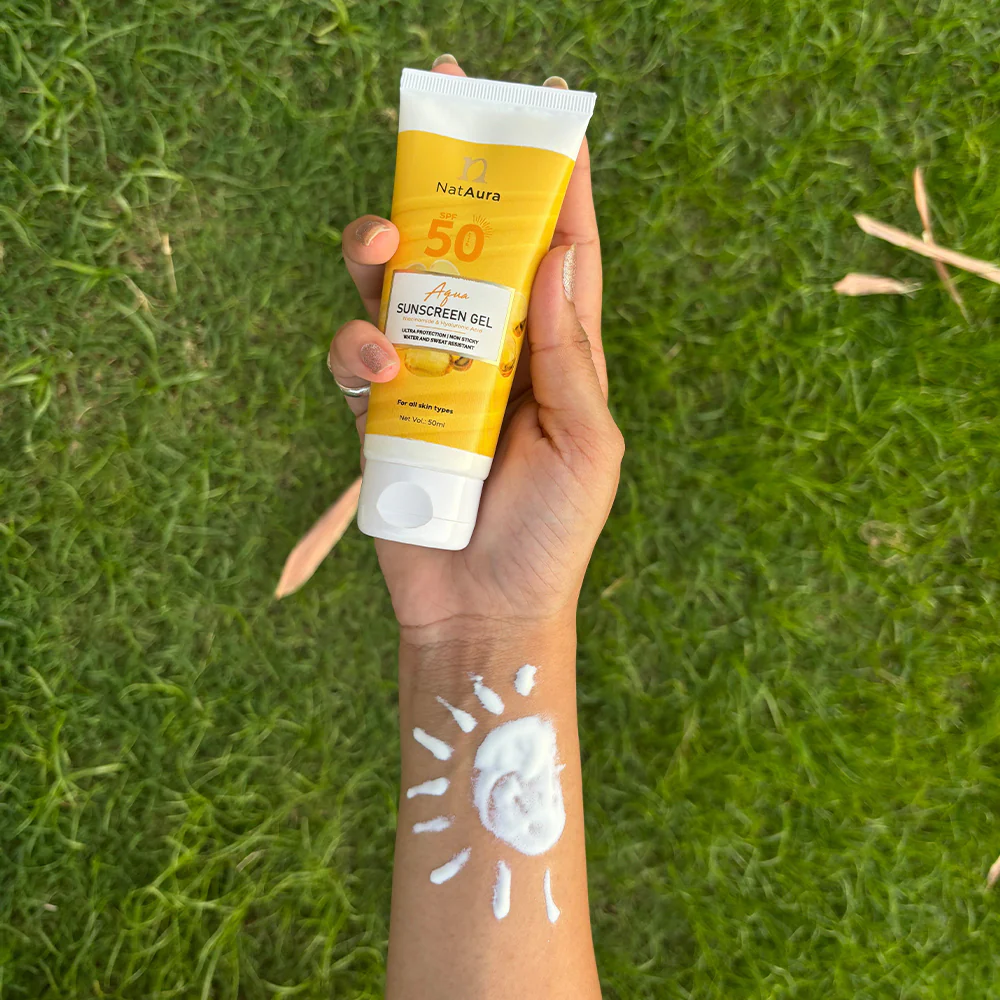
  • Choose gel-based or water-based sunscreen
  • Look for “oil-free” and “non-comedogenic”
  • Matte finish is best

👉 Avoid heavy creams that clog pores

💧 For Dry Skin

  • Opt for cream-based sunscreen
  • Ingredients to look for: hyaluronic acid, glycerin
  • Provides hydration + protection

👉 Avoid alcohol-based formulas

🌸 For Sensitive Skin

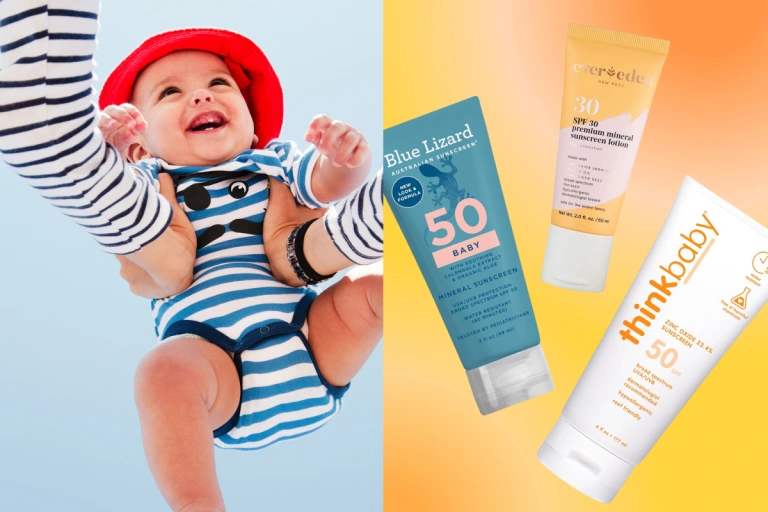
  • Use mineral sunscreen (zinc oxide)
  • Fragrance-free and hypoallergenic
  • Gentle on skin

👉 Avoid oxybenzone and artificial fragrances

✨ For Combination Skin

  • Lightweight lotion or hybrid sunscreen
  • Balances hydration and oil control

🔍 Key Ingredients to Look For

  • Zinc Oxide – Broad-spectrum protection
  • Niacinamide – Reduces redness
  • Hyaluronic Acid – Hydrates skin
  • Vitamin C – Brightens and protects

🚫 Ingredients to Avoid

  • Oxybenzone (can irritate skin)
  • Alcohol (dries skin)
  • Artificial fragrances

⏰ How to Apply Sunscreen Correctly

  • Apply 15–20 minutes before sun exposure
  • Use a coin-sized amount for face
  • Reapply every 2–3 hours
  • Don’t forget ears, neck, and hands

🌟 Pro Tips for Maximum Protection

  • Use sunscreen even on cloudy days
  • Pair with sunglasses and hats
  • Apply as the last step of skincare
  • Choose broad-spectrum sunscreen (UVA + UVB protection)

🏆 Best Sunscreen Features to Look For

  • SPF 30 or higher
  • Broad-spectrum protection
  • Water-resistant formula
  • Suitable for your skin type

🌿 Final Thoughts

Choosing the best sunscreen is not about picking the most expensive one—it’s about understanding your skin type and selecting the right formulation. A good sunscreen can prevent aging, protect your skin, and keep it glowing every day.

❓ FAQs

Q1: Can I skip sunscreen indoors?

No. UV rays can penetrate windows and damage skin.

Q2: Is SPF 50 better than SPF 30?

Yes, but the difference is minimal. Consistent reapplication matters more.

Q3: Can sunscreen cause acne?

Only if you choose the wrong formula. Use non-comedogenic sunscreen.
Leave a Comment

Your email address will not be published. Required fields are marked *

Scroll to Top