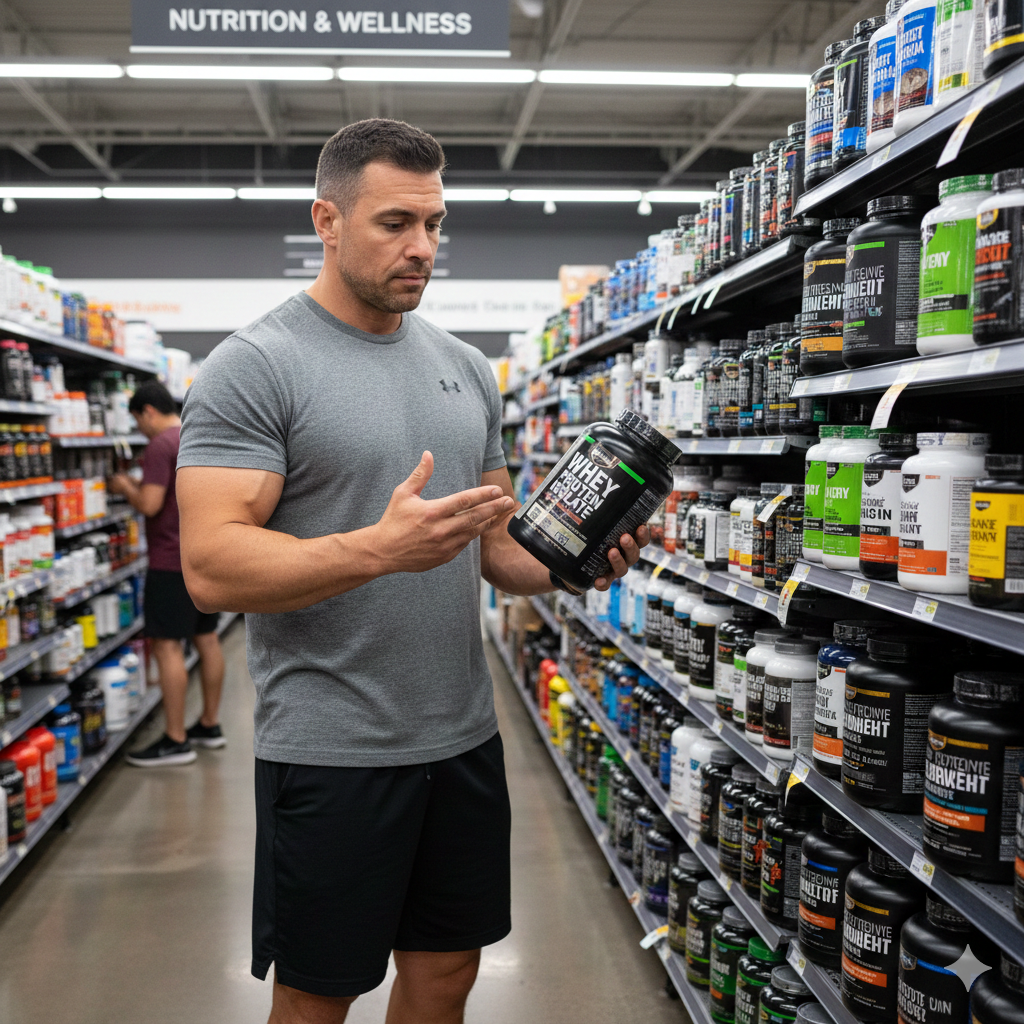
Taking supplements is easy—absorbing them is what truly matters.
In today’s health-conscious world, supplements have become a daily routine for many people. From multivitamins and minerals to herbal blends and protein powders, shelves are filled with options promising better health. Yet, many people don’t see results despite regular use. The reason is simple: not all supplements are absorbed by the body effectively. Choosing the right supplement is less about quantity and more about quality, form, and compatibility with your body. Understanding how absorption works can help you make smarter, more effective choices.
One of the most important factors in supplement absorption is the form of the nutrient. Minerals and vitamins come in different forms, and the body absorbs some much better than others. For example, magnesium glycinate is generally easier on the stomach and more bioavailable than magnesium oxide. Similarly, iron in chelated or bisglycinate form is absorbed better than basic iron salts. When choosing supplements, always check the ingredient label for forms that are known for higher bioavailability.
Another key aspect is whether the supplement works with your digestive system. A healthy gut plays a major role in nutrient absorption. If digestion is weak due to stress, poor diet, or low stomach acid, even the best supplements may pass through the body unused. Supplements that include digestive enzymes, probiotics, or are labeled as “gentle on the stomach” often improve absorption. Choosing supplements that support gut health indirectly enhances how well nutrients are utilized.
Timing also makes a significant difference. Some vitamins are fat-soluble, meaning they need dietary fat to be absorbed properly. Vitamins A, D, E, and K should ideally be taken with meals containing healthy fats. On the other hand, water-soluble vitamins like vitamin C and most B vitamins are better absorbed on an empty stomach or with light meals. Minerals such as calcium and iron can compete for absorption, so taking them separately improves effectiveness.
Quality and purity should never be overlooked. Many low-cost supplements contain fillers, artificial colors, or poorly sourced ingredients that reduce absorption and may cause side effects. Look for supplements that are third-party tested, clearly labeled, and free from unnecessary additives. Clean formulations allow the body to focus on absorbing the nutrients rather than processing unwanted substances.
Dosage matters just as much as form and quality. Taking excessive amounts does not improve absorption; in fact, it can overwhelm the body and lead to poor utilization or excretion. Smaller, well-balanced doses taken consistently are often more effective than high-dose supplements taken occasionally. Supplements designed to mimic food-based nutrition are usually better tolerated and absorbed.
It’s also important to consider nutrient combinations. Some nutrients enhance each other’s absorption, while others interfere. For example, vitamin D improves calcium absorption, and vitamin C enhances iron uptake. On the other hand, zinc and copper compete for absorption if taken together in high doses. Choosing well-formulated supplements that respect these interactions ensures better results.
Lifestyle factors play a silent but powerful role in absorption. Chronic stress, lack of sleep, alcohol consumption, and smoking can significantly reduce nutrient absorption. No supplement can compensate for these factors completely. Supporting your body with adequate rest, hydration, and stress management improves how effectively supplements work.
Finally, supplements should support your diet, not replace it. Whole foods provide nutrients in their most natural and absorbable forms, along with fiber and enzymes that aid digestion. Supplements work best when they fill specific gaps rather than attempting to replace balanced meals. Listening to your body’s needs and choosing supplements thoughtfully leads to long-term benefits.
Choosing supplements your body can actually absorb is about being informed and intentional. By focusing on bioavailable forms, gut health, timing, quality, and lifestyle alignment, you turn supplementation from a habit into a meaningful investment in your health. When absorption improves, results follow—and your body finally gets the nourishment it deserves.