Are you suffering from motion sickness

Learn how to deal with motion sickness with simple remedies, prevention tips, and natural solutions. Discover the causes and best ways to stop nausea while traveling.
How to Deal With Motion Sickness: Causes, Remedies, and Prevention Tips
Motion sickness is a common problem that affects many people while traveling by car, bus, train, airplane, or boat. It often causes symptoms like nausea, dizziness, sweating, and vomiting, making travel uncomfortable. Fortunately, there are several simple ways to prevent and manage motion sickness so you can enjoy your journey without feeling sick.
In this guide, we will explore what causes motion sickness and the best remedies to deal with it effectively.
What Is Motion Sickness?
Motion sickness happens when your brain receives conflicting signals from your eyes, inner ears, and body. Your inner ear senses motion, but if your eyes see something different, the brain becomes confused. This sensory conflict leads to symptoms like nausea, dizziness, headache, and fatigue.
For example, when you read a book in a moving car, your eyes see a stationary object while your inner ear senses movement. This mismatch can trigger motion sickness.
Common Symptoms of Motion Sickness
Recognizing the symptoms early can help you manage motion sickness better. Some common symptoms include:
Nausea and vomiting
Dizziness or lightheadedness
Cold sweats
Headache
Fatigue
Pale skin
Increased saliva production
Symptoms may start mildly but can worsen if the motion continues
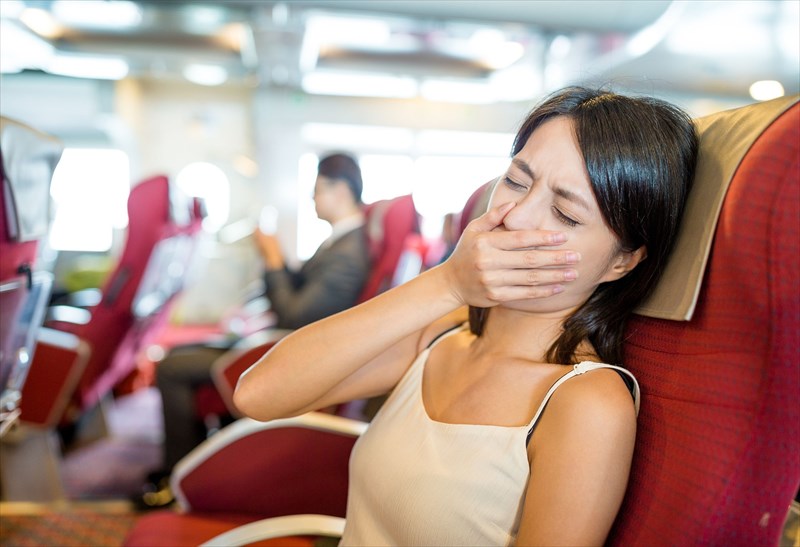
Causes and Risk Factors
Certain factors can increase the chances of experiencing motion sickness. These include traveling on winding roads, sitting in the back seat of a vehicle, strong smells, poor ventilation, and reading while traveling.
Children, pregnant women, and people who suffer from migraines are also more likely to experience motion sickness.
Effective Ways to Deal With Motion Sickness
1. Choose the Right Seatre
Where you sit can significantly affect motion sickness. Sit in areas with the least motion. For example, sit in the front seat of a car, over the wings in an airplane, or in the middle of a boat. Facing forward and looking at the horizon can help your brain process motion correctly.
2. Avoid Reading or Using Your Phone
Looking at a book or phone while traveling can worsen motion sickness because your eyes focus on a stationary object. Instead, look outside at distant objects or the horizon to help your brain align visual signals with motion.
3. Keep Fresh Air Flowing
Fresh air can reduce nausea. Open a window or turn on the air vents if possible. Good ventilation helps prevent the buildup of odors that may trigger motion sickness.
4. Eat Light Before Traveling
Avoid heavy, greasy, or spicy foods before traveling. A light meal or snacks such as crackers or fruits can help keep your stomach settled and reduce nausea during the trip.
5. Try Natural Remedies
Natural remedies like ginger, peppermint tea, or lemon can help relieve nausea. Ginger, in particular, is widely known for its ability to reduce motion sickness symptoms.
6. Use Motion Sickness Medications
Over-the-counter medications can help prevent motion sickness if taken before travel. Some common medicines include antihistamines and motion sickness tablets that help control nausea and dizziness.
Natural Prevention Tips
Preventing motion sickness is often easier than treating it. Staying hydrated, getting enough rest before traveling, avoiding strong perfumes, and taking frequent breaks during long trips can help reduce the risk.
Acupressure wristbands are also popular for preventing motion sickness as they apply pressure to specific points on the wrist that help reduce nausea.
When to See a Doctor
If motion sickness occurs frequently or becomes severe, it may be helpful to consult a doctor. A healthcare professional can recommend stronger medications or therapies to help manage persistent symptoms.
Conclusion
Motion sickness can make travel unpleasant, but it is manageable with the right strategies. Simple steps like choosing the right seat, avoiding screens, eating light meals, and using natural remedies can make a big difference. By understanding the causes and applying these prevention tips, you can travel comfortably and enjoy your journey without the discomfort of motion sickness.
FAQ: Motion Sickness
1. What is the fastest way to stop motion sickness?
The fastest way is to look at the horizon, get fresh air, and stop reading or using screens. Ginger or motion sickness medication may also help quickly relieve symptoms.
2. Who is more likely to get motion sickness?
Children, pregnant women, migraine sufferers, and people sensitive to motion are more likely to experience motion sickness.
3. Does drinking water help motion sickness?
Yes, staying hydrated can help reduce nausea and prevent motion sickness symptoms from worsening.
4. Can motion sickness go away naturally?
Yes, symptoms usually disappear once the motion stops. Over time, some people also adapt and become less sensitive to motion.