CBG Benefits, Uses & Guide 2026 | What is Cannabigerol?
Discover what CBG (Cannabigerol) is, its benefits, uses, and how it works. Learn why CBG is gaining popularity in wellness and health.
Introduction to CBG (Cannabigerol)
In the rapidly growing world of cannabinoids, CBG (Cannabigerol) is emerging as a powerful and promising compound. Often referred to as the “mother of all cannabinoids,” CBG is the precursor from which other cannabinoids like CBD and THC are derived.
Unlike THC, CBG is non-psychoactive, meaning it does not produce a “high.” This makes it increasingly popular in the wellness industry for those seeking natural health alternatives.

What is CBG?
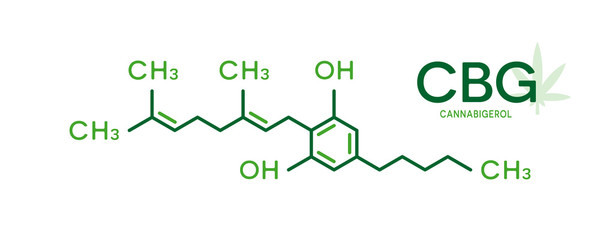
CBG (Cannabigerol) is a naturally occurring compound found in the cannabis plant. It originates as CBGA (cannabigerolic acid), which converts into other cannabinoids like:
- CBD (Cannabidiol)
- THC (Tetrahydrocannabinol)
- CBC (Cannabichromene)
Because most CBGA converts into other cannabinoids, CBG is found in very small amounts, making it rare and often more expensive.
CBG interacts with the body’s endocannabinoid system (ECS), which regulates essential functions such as:
- Mood
- Sleep
- Appetite
- Pain response
Unlike CBD, which interacts indirectly, CBG binds directly to CB1 and CB2 receptors, potentially enhancing its therapeutic effects.
Key Benefits of CBG
1. Anti-Inflammatory Properties
CBG may help reduce inflammation, making it beneficial for conditions like arthritis and inflammatory bowel disease.
2. Neuroprotective Effects
Studies suggest CBG may support brain health and could play a role in managing neurodegenerative disorders.
3. Supports Eye Health
CBG has shown potential in reducing intraocular pressure, which may benefit people with glaucoma.
4. Antibacterial Properties
CBG has demonstrated strong antibacterial effects, even against resistant strains like MRSA.
CBG vs CBD: What’s the Difference?
Feature
Phsycoactive
Availability
Interaction
Cost
CBG
NO
Rare
Direct receptor Binding
Higher
CBD
No
Common
Indirect
Lower
While both cannabinoids offer health benefits, CBG is often considered more potent in certain areas due to its direct interaction with receptors.
Common Uses of CBG
CBG is available in various forms, including:
- CBG oil and tinctures
- Capsules
- Edibles
- Topicals
People use CBG for:
- Stress and anxiety relief
- Pain management
- Digestive health
- Skin conditions
Is CBG Legal?
The legality of CBG depends on the country. In many regions, CBG derived from hemp (with less than 0.3% THC) is legal. However, regulations can vary, so it’s important to check local laws.
Are There Any Side Effects?
CBG is generally considered safe, but some users may experience:
- Dry mouth
- Drowsiness
- Changes in appetite
Always consult a healthcare professional before starting any cannabinoid-based product.
The Future of CBG
As research continues, CBG is expected to play a significant role in the future of natural medicine and wellness. With increasing awareness and scientific interest, it could become as mainstream as CBD in the coming years.
Conclusion
CBG is a fascinating and powerful cannabinoid with a wide range of potential health benefits. From anti-inflammatory properties to neuroprotection, it offers promising possibilities for both medical and wellness applications.
As the cannabis industry evolves, CBG could be the next big breakthrough in natural health solutions.