The Hidden Mistakes That Could Be Affecting Your Health
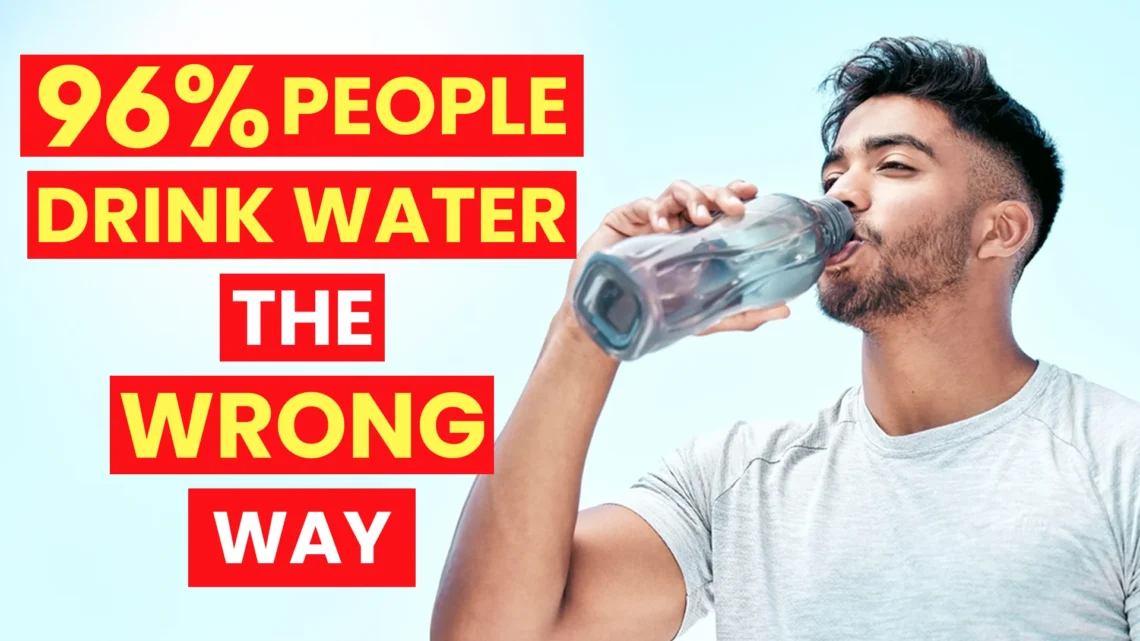
Water is the simplest and most essential element of life. We are constantly told to drink more water for glowing skin, better digestion, weight loss, and overall wellness. But what if the problem isn’t how much water you drink — but how you drink it? Many people unknowingly follow habits that may reduce hydration efficiency instead of improving it. Let’s explore whether you might be drinking water the wrong way and how small changes can make a big difference.
Why Proper Hydration Is More Important Than You Think
Water makes up nearly 60% of the human body. It supports digestion, circulation, temperature regulation, detoxification, and even mental clarity. When hydration is balanced, the body functions smoothly. However, improper hydration habits can sometimes lead to bloating, sluggish digestion, frequent urination, or feeling tired despite drinking enough water.
Hydration is not just about quantity. It is also about timing, temperature, and method of consumption.
Are You Drinking Too Much Water at Once?
One of the most common hydration mistakes is gulping large amounts of water quickly, especially when feeling very thirsty. When you drink too much water in one go, your kidneys work harder to flush out the excess, and much of it may not be absorbed efficiently.
Sipping water slowly throughout the day allows the body to absorb it better. Gradual intake supports smoother digestion and balanced electrolyte levels. Instead of finishing a full bottle in minutes, try taking small sips at regular intervals.
Is Ice-Cold Water Slowing Down Your Digestion?
Cold water feels refreshing, especially during summer. However, extremely chilled water may temporarily constrict blood vessels and slow digestion. Some wellness experts suggest that room temperature or slightly warm water is easier for the body to process.
While occasional cold water is not harmful, regularly consuming ice-cold water during or immediately after meals may interfere with digestive efficiency.
Are You Drinking Water Immediately After Meals?
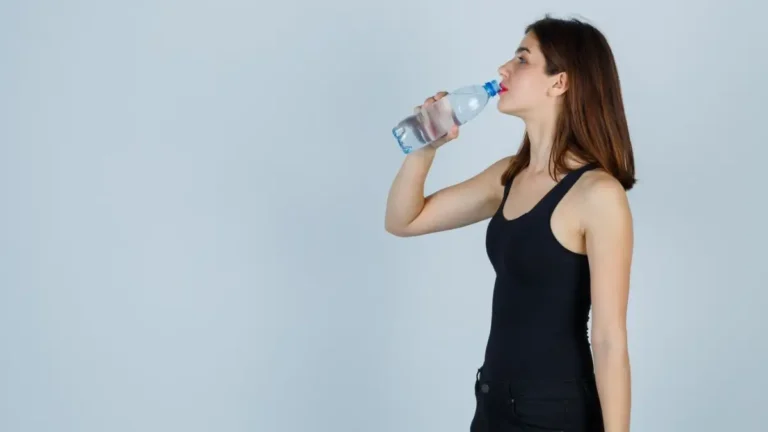
Many people drink large quantities of water right after eating. Although staying hydrated is important, drinking excessive water immediately after meals may dilute digestive juices.
A better approach is to drink small amounts during meals if needed and wait about 20 to 30 minutes after eating before consuming larger quantities. This supports optimal digestion without disrupting stomach enzymes.
Are You Ignoring Your Body’s Thirst Signals?
Another common mistake is drinking water only when extremely thirsty. Thirst is actually a late sign of dehydration. By the time you feel very thirsty, your body may already need fluids.
Subtle signs of dehydration include dry lips, fatigue, headaches, and dark-colored urine. Listening to early cues and maintaining consistent hydration throughout the day is more effective than reactive drinking.
Is Overhydration Also a Problem?
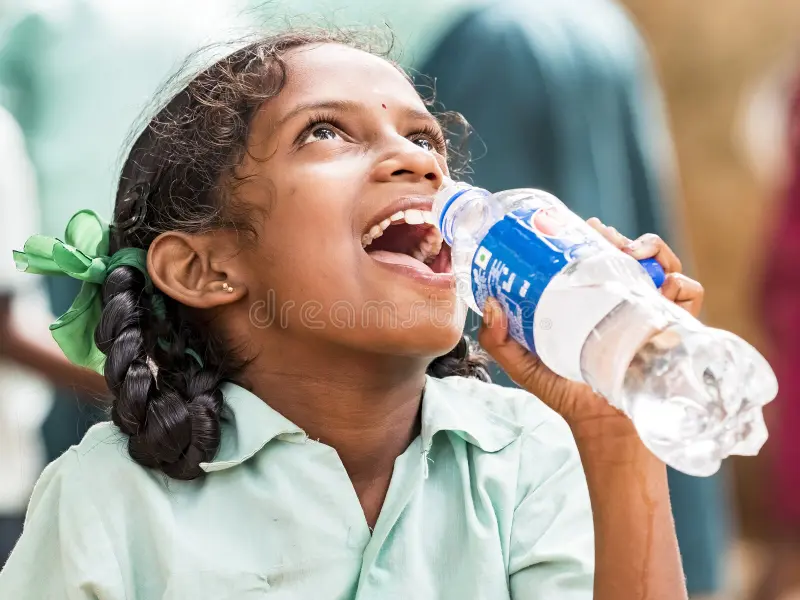
While dehydration is harmful, overhydration can also disrupt balance. Drinking excessive amounts of water beyond your body’s needs may dilute essential electrolytes like sodium. This condition, although rare, can cause discomfort such as nausea or headaches.
The ideal water intake depends on body weight, activity level, climate, and diet. There is no universal “8 glasses rule” that fits everyone. Your hydration needs are personal.
What Is the Right Way to Drink Water?
The healthiest hydration habits include sipping water slowly, drinking at room temperature when possible, spacing intake throughout the day, and adjusting based on physical activity and weather.
Starting your day with a glass of water helps rehydrate the body after sleep. Drinking water between meals rather than immediately after heavy meals supports digestion. Paying attention to urine color, which should be light yellow, can help guide proper hydration.
Does Drinking Water Help With Weight Loss?
Water can support weight management by improving metabolism and reducing unnecessary snacking caused by thirst mistaken as hunger. Drinking a glass of water before meals may also help control portion sizes naturally.
However, water alone is not a weight-loss solution. It works best when combined with balanced nutrition and an active lifestyle.
Common Signs You May Be Drinking Water the Wrong Way
If you often feel bloated after drinking water, experience frequent urination, or feel tired despite high water intake, your hydration method may need adjustment. Sometimes the solution is not increasing intake but distributing it more evenly.
Hydration should make you feel energized and balanced, not uncomfortable.
Final Thoughts: Hydration Is a Habit, Not a Race
Drinking water is simple, yet many people overlook the importance of mindful hydration. Instead of focusing only on quantity, consider how, when, and how fast you are drinking water. Small corrections in habit can improve digestion, energy levels, skin health, and overall well-being.
The next time you reach for a glass of water, ask yourself ; are you drinking it the right way?
Frequently Asked Questions
How much water should I drink daily?
Water needs vary depending on body size, climate, and activity level. Most adults require around 2 to 3 liters daily, but individual needs may differ.
Is it bad to drink water during meals?
Small sips are fine, but large amounts immediately after meals may affect digestion.
Is warm water better than cold water?
Room temperature or slightly warm water is generally easier on digestion, though occasional cold water is not harmful.
Can drinking too much water be harmful?
Yes, excessive water intake may dilute electrolytes in rare cases. Balance is key.