Collagen Supplements for Skin & Hair – Benefits, Truth & Results
Do collagen supplements really improve skin elasticity and hair growth? Discover the science, benefits, side effects, and whether collagen is worth your money.
Introduction: The Beauty Buzz Around Collagen
Walk into any pharmacy or scroll through social media, and you’ll see collagen everywhere — powders, capsules, drinks, even infused coffee. Influencers promise glowing skin, stronger hair, and fewer wrinkles. It sounds almost magical. But the real question is: do collagen supplements actually work, or is it just another beauty trend?
To answer that, we need to understand what collagen really is and how it functions inside your body.
What Is Collagen and Why Is It Important?
Collagen is the most abundant protein in your body. It acts like the “glue” that holds everything together — your skin, hair, nails, joints, and even bones. It provides structure, elasticity, and strength.
When you’re young, your body naturally produces plenty of collagen. That’s why children and teenagers typically have firm skin and healthy hair. However, after your mid-20s, collagen production gradually slows down. This decline can lead to fine lines, sagging skin, brittle hair, and weaker nails over time.
This is where collagen supplements claim to step in and help.

How Collagen Supplements Work
Most collagen supplements contain hydrolyzed collagen, also called collagen peptides. These are broken-down forms of collagen that are easier for your body to absorb. Once consumed, your digestive system breaks them into amino acids, which are then used by the body wherever needed.
Here’s the important part: collagen supplements don’t directly “go” to your skin or hair. Instead, they provide the building blocks your body uses to produce collagen naturally. Whether those amino acids benefit your skin, hair, joints, or muscles depends on your body’s needs.
Do Collagen Supplements Improve Skin?
Research suggests that collagen supplements may improve skin elasticity and hydration when taken consistently. Some studies have shown reduced appearance of wrinkles after several weeks of daily use.
Many users report that their skin feels plumper and more hydrated after two to three months. This may be because collagen supports the skin’s structural layer, helping it retain moisture and firmness.
However, results are not instant. Collagen is not a quick fix. It works gradually, and consistency is key.
Can Collagen Help with Hair Growth?
Hair is primarily made of keratin, not collagen. However, collagen contains amino acids that help build keratin. It also supports the skin around hair follicles, which may create a healthier environment for hair growth.
Some people notice reduced hair thinning and stronger strands after taking collagen supplements regularly. That said, if hair loss is caused by hormonal imbalance, stress, or medical conditions, collagen alone may not solve the issue.
In simple terms, collagen may support hair health, but it is not a miracle cure for severe hair loss.

How Long Does It Take to See Results?
This is one of the most common questions. Most people start noticing visible changes after 8 to 12 weeks of consistent use. Skin may feel more hydrated first, followed by improvements in texture and firmness. Hair and nail benefits may take slightly longer.
Patience matters. Collagen works best when combined with a healthy diet, proper hydration, and good skincare habits.
Types of Collagen Supplements
There are different types of collagen available, but the most common ones for skin and hair are Type I and Type III collagen. These types are mainly found in skin, hair, and connective tissues.
Marine collagen, sourced from fish, is popular for beauty benefits because it is easily absorbed. Bovine collagen, derived from cows, is also widely used and supports both skin and joint health.
Choosing high-quality, tested products is essential to ensure safety and effectiveness.
Are There Any Side Effects?
Collagen supplements are generally considered safe for most people. However, some individuals may experience mild digestive discomfort, bloating, or a feeling of fullness.
People with fish or shellfish allergies should avoid marine collagen. It’s always wise to consult a healthcare professional before starting any supplement, especially if you have underlying health conditions.
Is Collagen Enough on Its Own?
Here’s something many people don’t realize: collagen production also depends on Vitamin C, zinc, and a balanced diet. Without these nutrients, your body cannot efficiently build collagen.
Sun exposure, smoking, high sugar intake, and stress can also break down collagen faster. So even if you take supplements, lifestyle choices still matter.
Collagen works best as part of a bigger self-care routine — not as a replacement for healthy habits.
The Honest Verdict: Is It Worth It?
Collagen supplements are not magic pills, but they are not a scam either. Scientific evidence suggests they can improve skin hydration and elasticity when used consistently. They may also support hair strength indirectly.
However, expectations should be realistic. Collagen will not erase deep wrinkles overnight or regrow hair dramatically in a few weeks. Think of it as gentle support for your body’s natural processes rather than a dramatic transformation.
Final Thoughts: Should You Try Collagen?
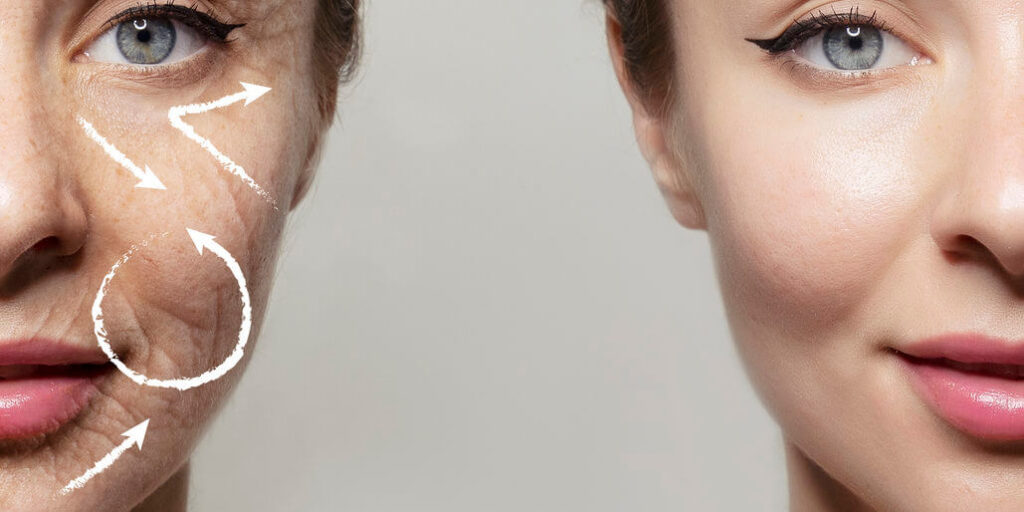
If you’re noticing early signs of aging, dry skin, or brittle hair, collagen supplements may be worth considering. They are generally safe and may offer gradual improvements when combined with proper nutrition and skincare.
At the end of the day, glowing skin and healthy hair come from a combination of good diet, hydration, sleep, stress management, and internal balance. Collagen can support that journey — but it works best when you support your body too.
Beauty is not built overnight. It’s built consistently, from the inside out.