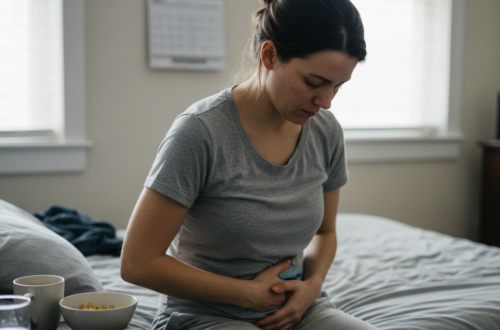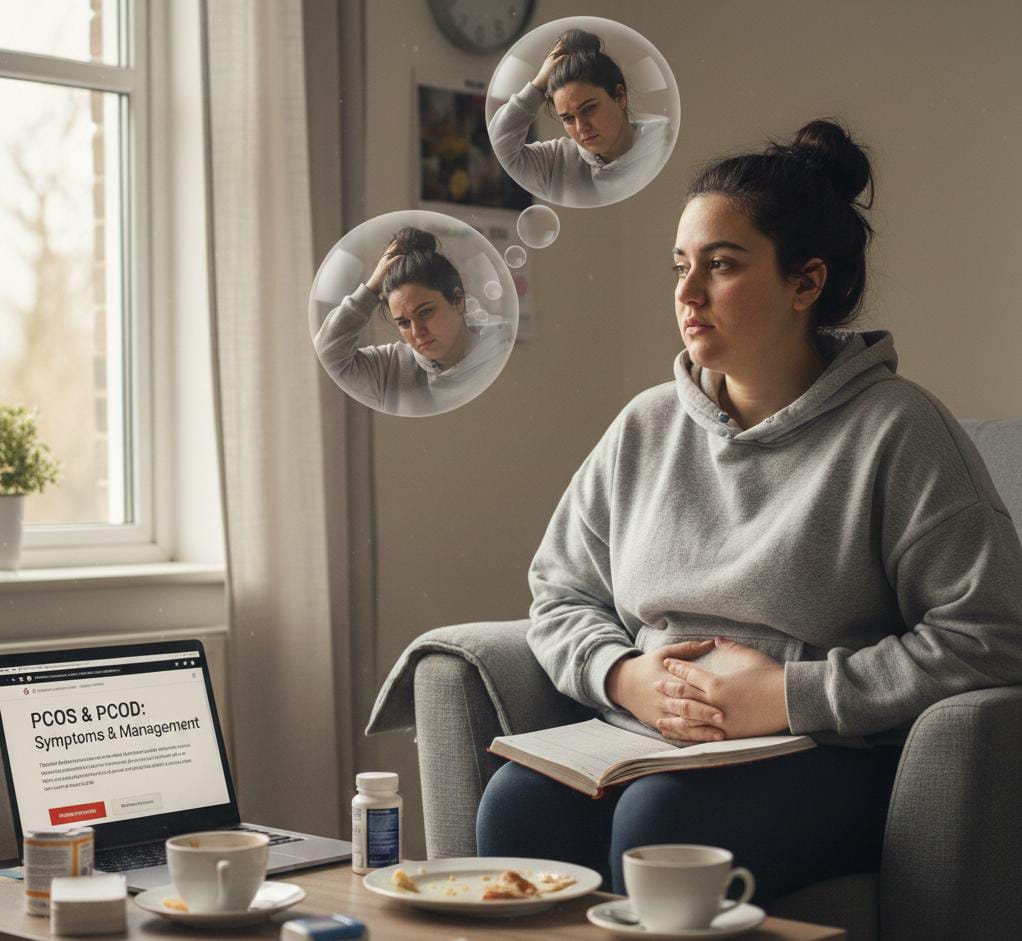
PCOS doesn’t just change your body—it quietly changes how you see yourself.
Introduction: When Changes Feel Personal but Go Unexplained
For many women, PCOS doesn’t arrive with a clear diagnosis—it shows up in the mirror first. Sudden acne that won’t go away, hair thinning where you want volume, hair growth where you don’t, and a growing sense that your body no longer feels familiar. These changes aren’t superficial. They affect how you feel about yourself, how confident you feel in social spaces, and how comfortable you are in your own skin. PCOS impacts far more than physical health—it touches emotional well-being deeply.
Understanding PCOS Beyond Periods
Polycystic Ovary Syndrome (PCOS) is a hormonal condition that affects how the ovaries function. One of its key features is hormonal imbalance, particularly higher levels of androgens (male hormones). These hormonal shifts influence the skin, hair, and even emotional health. What many women don’t realize is that the visible symptoms of PCOS are not cosmetic issues—they are biological signals from within.
How PCOS Triggers Persistent Skin Problems
Acne associated with PCOS is often deeper, more stubborn, and long-lasting. It commonly appears along the jawline, chin, neck, and cheeks—areas sensitive to hormonal changes. This happens because excess androgens increase oil production, clogging pores and causing inflammation. Over time, repeated breakouts can leave scars, affecting self-image and making women feel frustrated and helpless despite trying countless treatments.
PCOS and Unwanted Hair Growth: An Emotional Struggle
One of the most distressing symptoms of PCOS is hirsutism—excess hair growth on the face, chest, abdomen, or back. This occurs due to elevated androgen levels stimulating hair follicles in areas typically associated with male-pattern hair growth. Managing this can feel exhausting, both physically and emotionally. Many women silently struggle with shame, constantly planning around grooming routines instead of enjoying life freely.
Hair Thinning and Hair Loss: When Femininity Feels Threatened
While excess hair grows in some areas, hair on the scalp may begin to thin—especially around the crown and temples. This pattern, known as androgenic alopecia, can deeply impact confidence. Hair is often linked to femininity and identity, so watching it thin can feel emotionally overwhelming. The fear of long-term hair loss adds another layer of stress, which can further worsen hormonal imbalance.
The Emotional Impact: Confidence, Self-Esteem, and PCOS
PCOS doesn’t just affect how you look—it affects how you feel about yourself. Repeated comments, unsolicited advice, and comparisons can slowly erode confidence. Many women begin avoiding social situations, mirrors, or photographs. The emotional weight of feeling “different” or “out of control” over one’s body can lead to anxiety, low self-esteem, and emotional withdrawal.
Why PCOS Can Make You Feel Disconnected From Your Body
When symptoms persist despite efforts, it’s common to feel betrayed by your own body. This disconnect can lead to frustration, self-blame, and emotional burnout. It’s important to remember that PCOS is not a reflection of failure—it’s a medical condition that requires understanding, patience, and compassionate care.
Healing Starts With Awareness, Not Perfection
Managing PCOS is not about fixing yourself—it’s about supporting your body gently. Hormonal balance improves gradually with lifestyle changes, proper medical guidance, stress management, and emotional support. When women stop blaming themselves and start listening to their bodies, healing becomes more possible—physically and emotionally.
Reclaiming Confidence Beyond Appearance
True confidence doesn’t come from perfect skin or thick hair—it comes from self-acceptance and understanding. Many women with PCOS grow stronger, more self-aware, and emotionally resilient through their journey. When you stop seeing PCOS as a limitation and start seeing yourself as capable and worthy, confidence begins to return from within.
Conclusion: You Are More Than Your Symptoms
PCOS may affect your skin, hair, and confidence—but it does not define your worth. Your body is not working against you; it’s asking for care, patience, and understanding. Healing is not linear, and confidence is not lost forever. With the right support, awareness, and self-compassion, it is possible to feel comfortable, confident, and whole again—just as you are.