Trends come and go—but real wellness stays. In a world constantly chasing the next health fad, true wellness isn’t about what’s popular today; it’s about the daily choices you make that quietly shape your energy, balance, and quality of life.
Wellness Is More Than a Temporary Fix
Wellness is often misunderstood as a short-term goal—something to pursue only when stress rises or health declines. However, real wellness is not a quick solution or a seasonal habit. It is a long-term commitment to living in a way that supports both physical and mental balance. Unlike trends that promise instant results, wellness focuses on consistency, awareness, and sustainability in everyday life.
The Problem With Wellness Trends
Health trends usually emphasize extremes—strict diets, intense routines, or miracle solutions. While they may deliver short-lived results, they rarely last because they don’t align with real lifestyles. When wellness is treated as a trend, it becomes overwhelming and unsustainable. True wellness avoids extremes and instead supports gradual, realistic changes that fit into daily routines.
Wellness Begins With Daily Lifestyle Choices
Everyday habits—what you eat, how you sleep, how you manage stress, and how you move—play a bigger role in wellness than any trending routine. Choosing balanced meals, prioritizing rest, and allowing time for recovery are lifestyle decisions that compound over time. Wellness grows silently through these small but intentional choices.
Mental Wellness Is a Lifestyle Practice
Mental well-being cannot be switched on and off. A wellness-focused lifestyle creates space for calm, reflection, and emotional balance. Practices such as mindful breaks, reducing overstimulation, and maintaining healthy boundaries help support mental clarity. When mental wellness becomes part of daily living, stress feels more manageable and emotional resilience improves naturally.
Physical Wellness Thrives on Consistency
Physical wellness is not about perfection or intense routines—it’s about consistency. Gentle movement, regular hydration, and balanced nutrition support the body far better than extreme approaches. A wellness lifestyle encourages listening to the body instead of forcing it to keep up with trends. This approach supports energy, recovery, and long-term vitality.
Wellness Supports Long-Term Balance
Unlike trends that focus on rapid transformation, lifestyle-based wellness supports long-term balance. It adapts as life changes—during busy periods, rest phases, or emotional shifts. This flexibility allows wellness to remain sustainable, making it easier to maintain healthy habits without pressure or guilt.
The Role of Supportive Wellness Tools
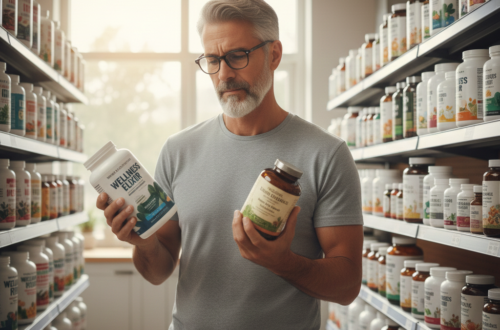
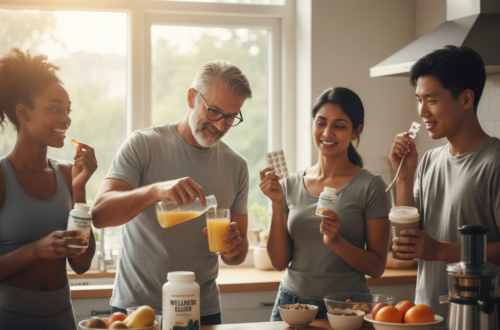
A wellness lifestyle may include supportive tools such as mindful routines, nutrient-rich foods, and wellness supplements. These are not replacements for healthy habits but additions that work best when lifestyle foundations are strong. When wellness tools complement daily habits, they support balance rather than becoming a dependency.
Why Wellness Will Never Go Out of Style
Trends fade because they rely on hype, but wellness endures because it’s rooted in everyday living. As people become more aware of burnout, stress, and imbalance, lifestyle-based wellness continues to gain importance. It evolves with time but never loses relevance because it focuses on sustainable well-being rather than instant results.
Final Thoughts
Wellness is not something to chase—it’s something to live. When wellness becomes a lifestyle choice rather than a trend, it stops feeling like effort and starts feeling natural. By focusing on balance, consistency, and mindful living, wellness becomes a lifelong companion rather than a passing phase.
- wellness lifestyle
- healthy lifestyle choices
- holistic wellness living
- wellness not a trend
- lifestyle wellness habits
- daily wellness routine
- sustainable wellness lifestyle
- wellness and balanced living