The world of nutrition is evolving faster than ever, and 2026 is shaping up to be a landmark year. People are no longer eating just to feel full; they are eating to feel better, think sharper, age slower, and live healthier. From smarter ingredient choices to exciting new flavor combinations, nutrition in 2026 is all about balance — between science and nature, taste and health, convenience and sustainability. These emerging trends are not short-lived fads but reflections of deeper lifestyle changes happening across the globe.
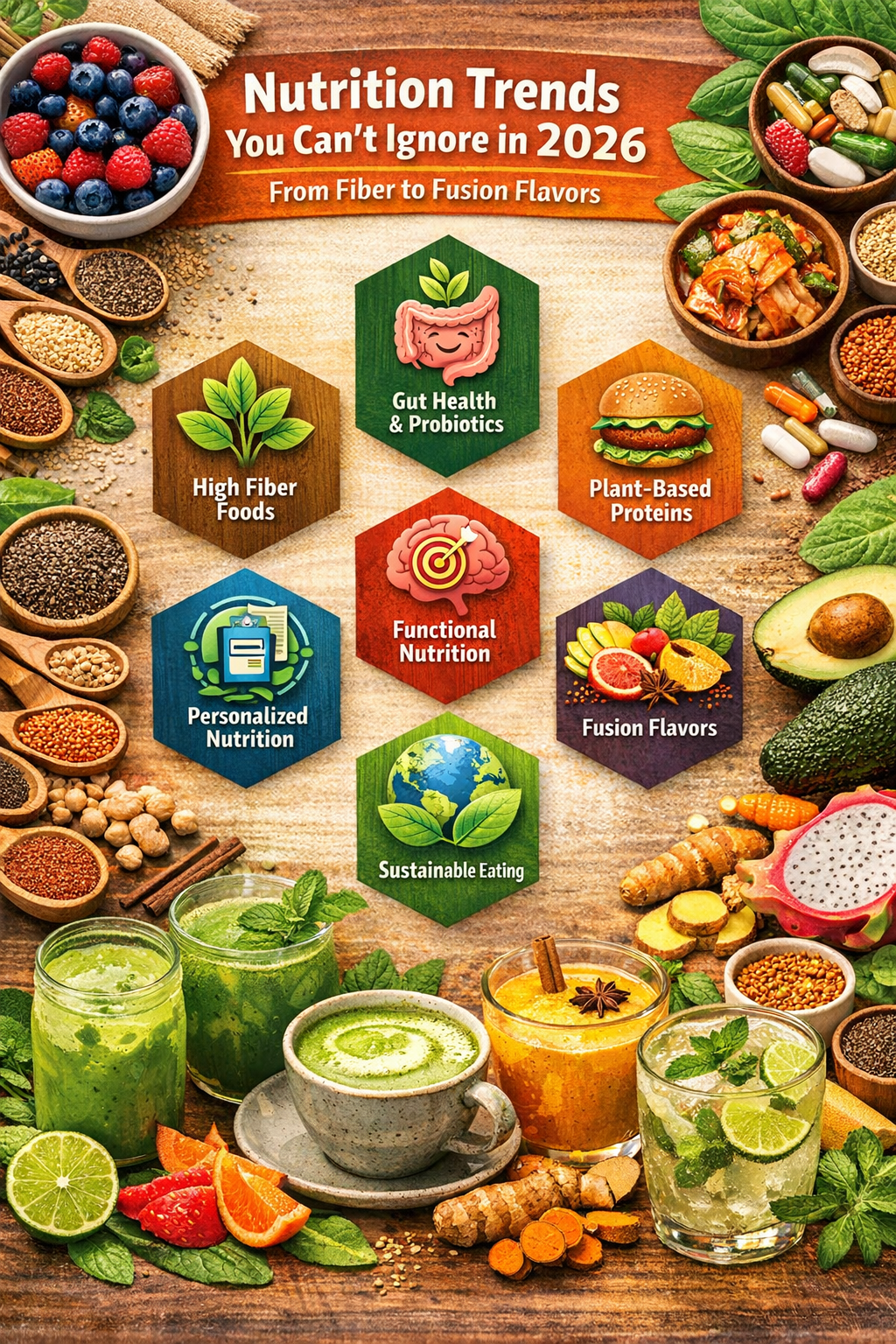
One of the most important nutrition trends in 2026 is the renewed focus on fiber. Once overlooked, fiber is now being recognized as a cornerstone of good health. Consumers are becoming more aware of how fiber supports digestion, gut health, blood sugar control, and even mental well-being through the gut–brain connection. Foods fortified with soluble and insoluble fibers, such as oats, seeds, legumes, and whole grains, are gaining popularity. Brands are also innovating with fiber-enriched snacks and beverages, making it easier for people to meet their daily fiber needs without drastically changing their diets.
Closely connected to the fiber movement is the rising emphasis on gut health. In 2026, people understand that a healthy gut means a stronger immune system, better mood regulation, and improved nutrient absorption. Probiotics, prebiotics, and fermented foods are becoming everyday essentials rather than niche health products. Ingredients like kefir, kimchi, kombucha, and fermented plant-based foods are finding space in regular meals. Nutrition is no longer about isolated nutrients but about supporting the body’s internal ecosystem.
Another trend shaping nutrition in 2026 is the rise of plant-forward eating. Instead of strictly vegan or vegetarian labels, people are embracing flexible diets that prioritize plant-based foods while allowing room for animal products when needed. This approach is driven by health concerns, environmental awareness, and ethical considerations. Plant proteins from sources like lentils, chickpeas, peas, and seeds are being incorporated into daily meals, offering both nutrition and sustainability. The focus has shifted from restriction to inclusion — adding more plants rather than eliminating entire food groups.
Protein itself is being redefined in 2026. While it remains essential for muscle health, metabolism, and aging, the conversation has expanded beyond gym culture. Consumers now seek protein for energy, satiety, and healthy aging. Alongside traditional sources, alternative proteins such as fermented proteins, algae-based protein, and hybrid plant-animal blends are gaining acceptance. These options offer improved digestibility and reduced environmental impact, aligning with modern nutritional values.
Functional nutrition continues to dominate food and supplement choices in 2026. People want food that does more than satisfy hunger — they want targeted benefits. Foods and drinks are being designed to support immunity, brain function, stress management, and sleep quality. Ingredients like magnesium, adaptogenic herbs, omega-3s, and antioxidants are becoming mainstream. Functional beverages, in particular, are booming, offering hydration with added benefits such as calmness, focus, or sustained energy.
One of the most exciting developments in 2026 is the emergence of fusion flavors in health foods. Nutrition is no longer bland or boring. Global flavors inspired by Asian, African, Latin American, and Middle Eastern cuisines are blending with functional ingredients to create exciting taste experiences. Think turmeric-infused citrus drinks, matcha blended with tropical fruits, or savory snacks combining ancient grains with bold spices. These fusion flavors reflect cultural curiosity and prove that healthy food can also be indulgent and enjoyable.
Personalized nutrition is another trend that cannot be ignored. In 2026, people are moving away from one-size-fits-all diets and embracing nutrition tailored to their unique bodies and lifestyles. Advances in technology, wearable health devices, and data-driven insights allow individuals to understand how their bodies respond to certain foods. Personalized meal plans, supplement routines, and nutrition advice are helping people make smarter, more effective dietary choices that align with their health goals.
Clean-label eating continues to influence consumer behavior in 2026. People want transparency — fewer ingredients, recognizable names, and minimal processing. Artificial additives, excessive sugar, and synthetic preservatives are being replaced with natural alternatives. This trend reflects growing trust in simplicity and a desire to reconnect with food in its most natural form. Clean labels are no longer a premium feature; they are becoming an expectation.
Sustainability also plays a major role in shaping nutrition trends this year. Consumers are increasingly mindful of where their food comes from and how it impacts the planet. Sustainable sourcing, eco-friendly packaging, and reduced food waste are influencing purchasing decisions. Nutrition in 2026 is about nourishing both the body and the environment, creating a more responsible and conscious food culture.
In conclusion, the nutrition trends of 2026 show a clear shift toward mindful, functional, and enjoyable eating. From fiber-rich foods and gut health solutions to plant-forward diets and bold fusion flavors, the focus is on long-term wellness rather than quick fixes. Nutrition is no longer just a routine — it’s a lifestyle choice rooted in awareness, balance, and innovation. As these trends continue to evolve, one thing is certain: eating well in 2026 means eating smarter, more consciously, and with greater appreciation for both health and flavor.