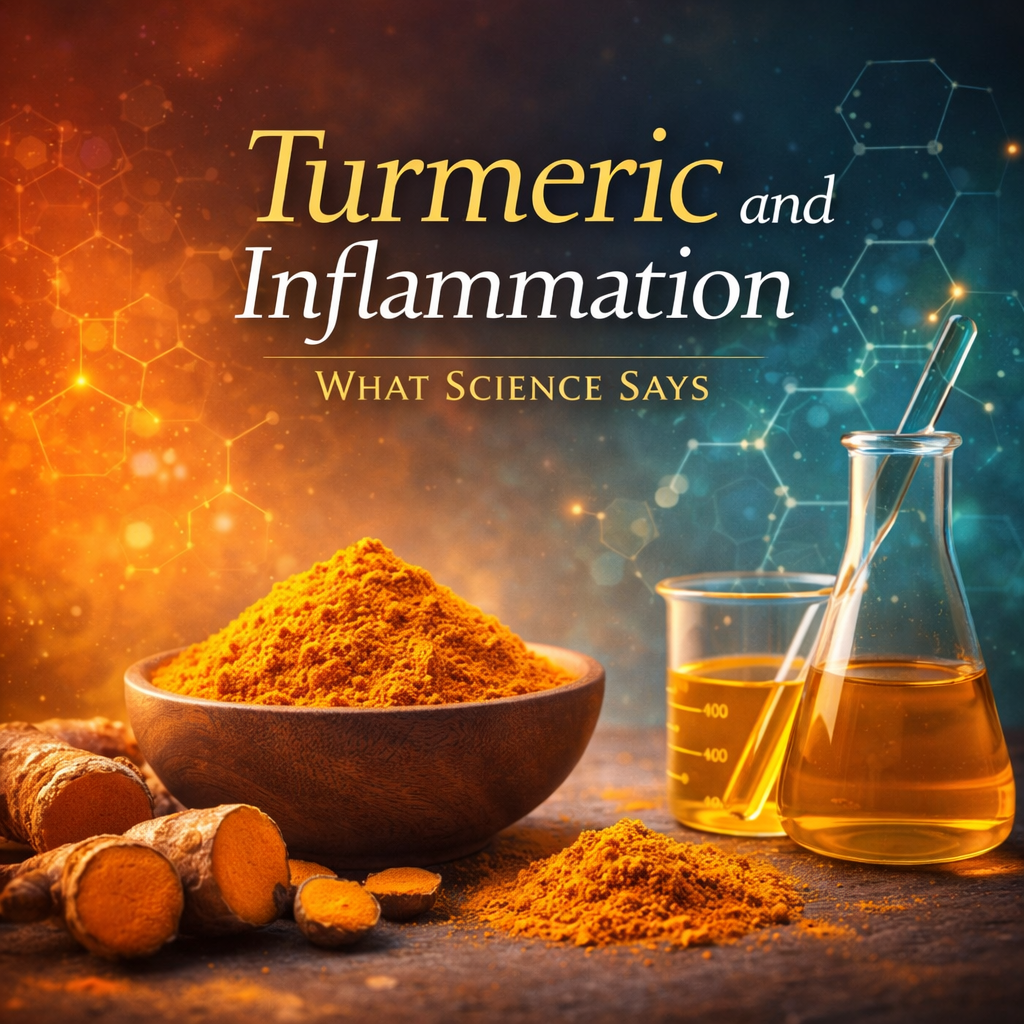
Is turmeric really a miracle spice — or just a wellness trend?
From golden lattes to supplements lining pharmacy shelves, turmeric has become one of the most talked-about natural remedies in the world. But beyond traditional use and social media hype, what does science actually say about its ability to fight inflammation?
Let’s separate tradition from evidence.
What Is Turmeric?
Turmeric (Curcuma longa) is a bright yellow spice commonly used in Indian cooking and Ayurvedic medicine. The active compound responsible for most of its health benefits is Curcumin, a natural polyphenol known for its anti-inflammatory and antioxidant properties.
Inflammation is the body’s natural defense mechanism. However, when inflammation becomes chronic, it is linked to conditions like arthritis, heart disease, diabetes, and even depression. This is where turmeric enters the conversation.
How Curcumin Fights Inflammation
Scientific research suggests that curcumin can influence multiple inflammatory pathways in the body. It helps reduce molecules that trigger inflammation, including cytokines and enzymes involved in inflammatory responses.
Unlike some medications that target a single pathway, curcumin works on multiple biological mechanisms. This multi-target action is why researchers find it particularly interesting.
Studies have shown promising results in managing inflammatory conditions such as osteoarthritis and metabolic syndrome. Some trials even suggest that curcumin may provide relief comparable to certain anti-inflammatory drugs — but without harsh side effects when taken appropriately.
Beyond Joint Pain: Other Benefits Linked to Reduced Inflammation
Chronic inflammation doesn’t just affect joints. It can influence brain health, digestion, and cardiovascular function.
Research indicates curcumin’s antioxidant properties may help protect brain cells from oxidative stress. There is growing evidence exploring its role in mood regulation, especially where inflammation contributes to depressive symptoms.
Additionally, turmeric may support gut health by reducing inflammatory markers in the digestive tract.
The Bioavailability Challenge
One important scientific fact often overlooked is that curcumin has low bioavailability. This means the body does not absorb it easily when consumed alone.
Interestingly, black pepper contains piperine, a compound that significantly increases curcumin absorption. This is why traditional recipes often combine turmeric with black pepper — and why many supplements include both.
Without proper absorption, turmeric’s benefits may be limited.
Food vs Supplements: What’s Better?
Adding turmeric to daily meals is generally safe and beneficial for overall wellness. Golden milk, turmeric tea, and curries are simple ways to incorporate it naturally.
However, therapeutic effects observed in studies often use concentrated curcumin extracts in higher doses than typical dietary intake. Supplements may offer stronger anti-inflammatory effects but should be taken with medical guidance, especially if someone is on blood thinners or managing chronic illness.
What Science Concludes So Far
Turmeric is not a magic cure — but it is not just hype either.
Scientific evidence supports its anti-inflammatory and antioxidant potential, particularly due to curcumin. While more large-scale human trials are still needed, current research suggests turmeric can be a supportive tool in managing inflammation when combined with a healthy lifestyle.
The key is consistency, proper absorption, and realistic expectations.
The Takeaway
Your kitchen may already hold one of nature’s most studied anti-inflammatory agents.
Turmeric alone won’t fix chronic disease overnight. But as part of balanced nutrition, stress management, sleep, and movement, it can quietly support your body’s healing processes.
Sometimes, the most powerful remedies aren’t new discoveries — they’re ancient traditions now validated by modern science