How To Manage Migrane
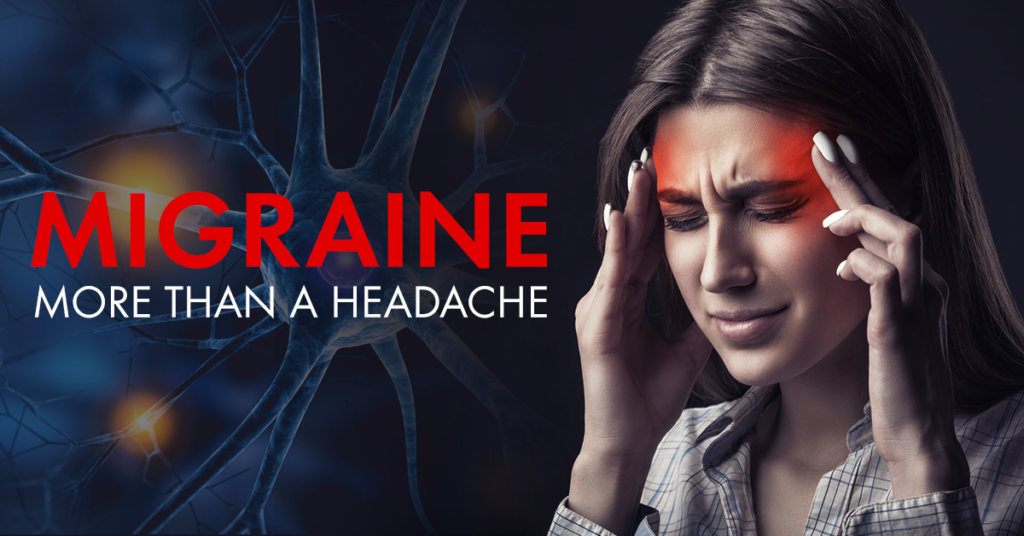
Learn how to deal with migraine headaches naturally. Discover causes, symptoms, home remedies, and effective migraine relief tips to reduce pain and prevent attacks.
How to Deal With Migraine Headache: Effective Ways to Find Relief
Migraine headaches can be extremely painful and disruptive. Unlike a regular headache, a migraine often comes with intense throbbing pain, sensitivity to light and sound, nausea, and sometimes even vomiting. Millions of people suffer from migraines, and learning how to deal with migraine headaches effectively can improve your quality of life. By understanding the causes, triggers, and treatment options, you can manage migraine symptoms and reduce their frequency.
What Is a Migraine Headache?
A migraine is a neurological condition that causes recurring headaches, usually on one side of the head. The pain is often described as throbbing or pulsating and can last from a few hours to several days. Many people experience warning signs such as visual disturbances, known as aura, before the migraine attack begins.
Migraine headaches are more than just headaches—they can affect daily activities, productivity, and overall well-being.
Common Causes and Triggers of Migraine
Understanding migraine triggers is an important step in migraine management. Several factors can contribute to migraine attacks.
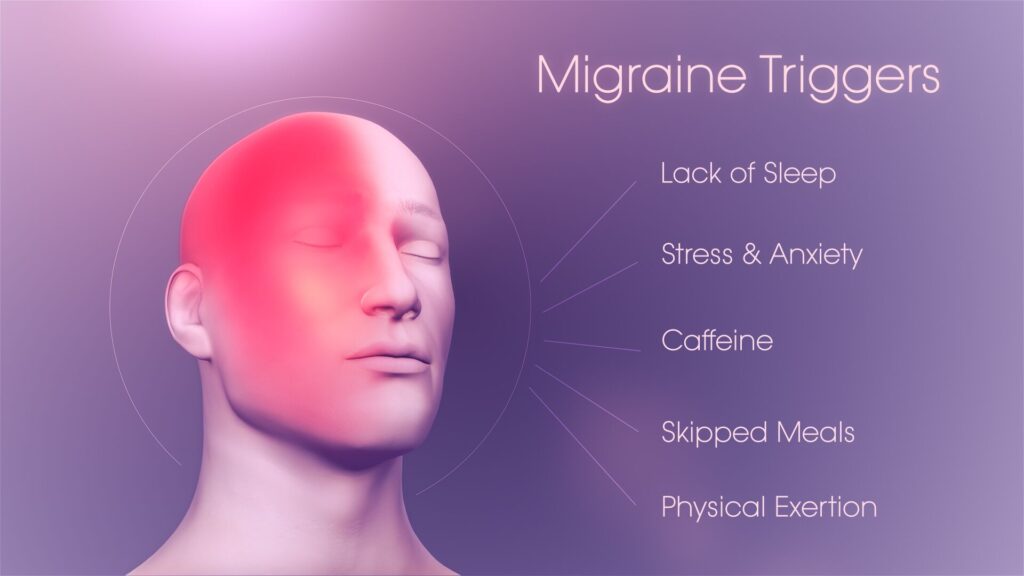
Stress is one of the most common triggers. When stress levels increase, the body releases certain chemicals that can lead to headaches. Lack of sleep or irregular sleep patterns can also trigger migraines. Many people also notice migraine attacks after skipping meals or becoming dehydrated.
Certain foods may trigger migraines as well. Chocolate, caffeine, processed foods, and aged cheese are known migraine triggers for some individuals. Hormonal changes, especially in women, can also cause migraines during menstruation or pregnancy.
Environmental factors such as bright lights, loud noises, or strong smells can also worsen migraine symptoms.
Symptoms of Migraine Headache
Migraine symptoms can vary from person to person, but some common signs include severe throbbing head pain, usually on one side of the head. Many people experience nausea, vomiting, and dizziness during a migraine attack.
Sensitivity to light, sound, and sometimes smell is another common symptom. Some individuals experience visual disturbances such as flashing lights, blind spots, or zigzag lines before the headache begins.
These symptoms can last anywhere from four hours to even three days if left untreated.
How to Deal With Migraine Headache
Managing migraines often requires a combination of lifestyle changes, home remedies, and medical treatments.
One effective way to deal with migraine headaches is to rest in a quiet and dark room. Since migraines often increase sensitivity to light and sound, reducing these triggers can help ease the pain.
Applying a cold compress or ice pack to the forehead or neck can also help reduce inflammation and relieve headache pain. Staying hydrated is equally important because dehydration can worsen migraine symptoms.
Practicing relaxation techniques such as deep breathing, meditation, or yoga can help reduce stress levels, which may prevent migraine attacks. Maintaining a consistent sleep schedule and avoiding known trigger foods can also help manage migraines effectively.
Natural Remedies for Migraine Relief
Many people prefer natural remedies for migraine relief. Herbal teas such as ginger tea or peppermint tea may help reduce nausea and headache pain.
Essential oils like lavender or peppermint oil are also known to provide relief when gently massaged on the temples. Regular exercise, a balanced diet, and proper hydration can also help reduce the frequency of migraine attacks.
Some individuals find relief through acupuncture or Ayurvedic treatments that focus on balancing the body and improving overall health.
When to See a Doctor
While occasional migraines can often be managed at home, frequent or severe migraines may require medical attention. If your migraine headaches become more intense, last longer than usual, or interfere with your daily activities, it is important to consult a doctor.
Healthcare professionals may recommend medications specifically designed for migraine relief and prevention.
conclusion
Migraine headaches can be challenging, but with the right strategies, they can be managed effectively. Identifying triggers, maintaining a healthy lifestyle, and using natural or medical treatments can significantly reduce migraine frequency and severity. By learning how to deal with migraine headaches properly, you can take control of your health and improve your overall well-being.
FAQ: Migraine Headaches
1. What is the fastest way to relieve a migraine?
Resting in a dark, quiet room, drinking water, applying a cold compress, and taking prescribed medication can help relieve migraine pain quickly.
2. What triggers migraine headaches?
Common migraine triggers include stress, lack of sleep, dehydration, hormonal changes, certain foods, and bright lights.
3. Can migraines be cured permanently?
There is currently no permanent cure for migraines, but lifestyle changes and medications can help manage and reduce migraine attacks.