Managing Stress and anxiety
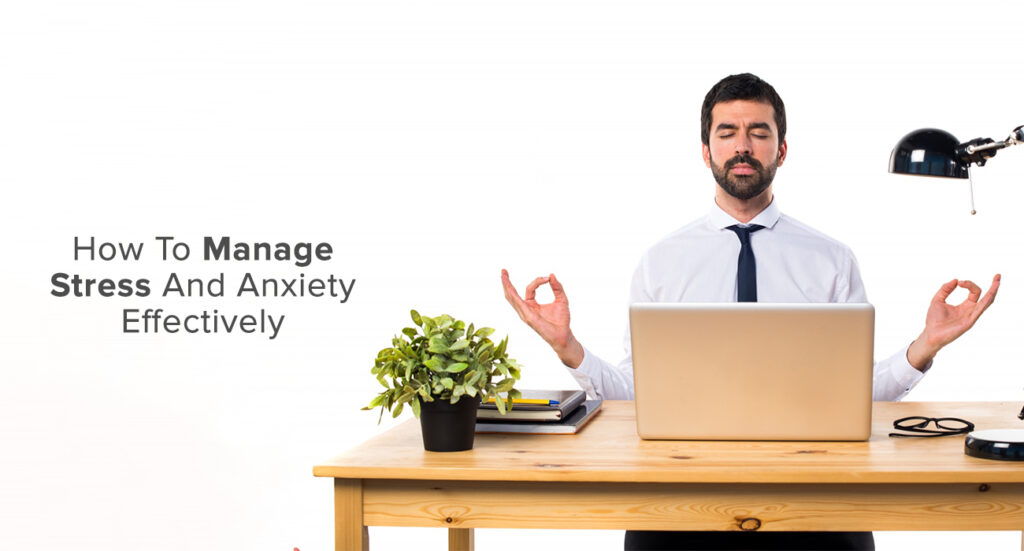
Learn how to manage stress and anxiety with simple, natural techniques. Discover practical stress management tips, lifestyle changes, and healthy habits to improve your mental well-being.
How to Manage Stress and Anxiety: Simple and Effective Ways
Stress and anxiety have become very common in today’s fast-paced world. From work pressure and financial responsibilities to personal challenges, many people experience overwhelming feelings that affect their mental and physical health. Learning how to manage stress and anxiety is essential for maintaining a healthy and balanced life. By adopting the right habits and stress-management techniques, you can improve your emotional well-being and feel more in control of your life.
Understanding Stress and Anxiety
Before learning how to control them, it is important to understand what stress and anxiety actually are. Stress is the body’s natural response to pressure or challenging situations, while anxiety is a feeling of worry, nervousness, or fear about what might happen in the future. Occasional stress is normal, but chronic stress and anxiety can affect sleep, concentration, mood, and overall health. Recognizing the signs early can help you take steps toward reducing stress naturally.
Practice Mindfulness and Meditation
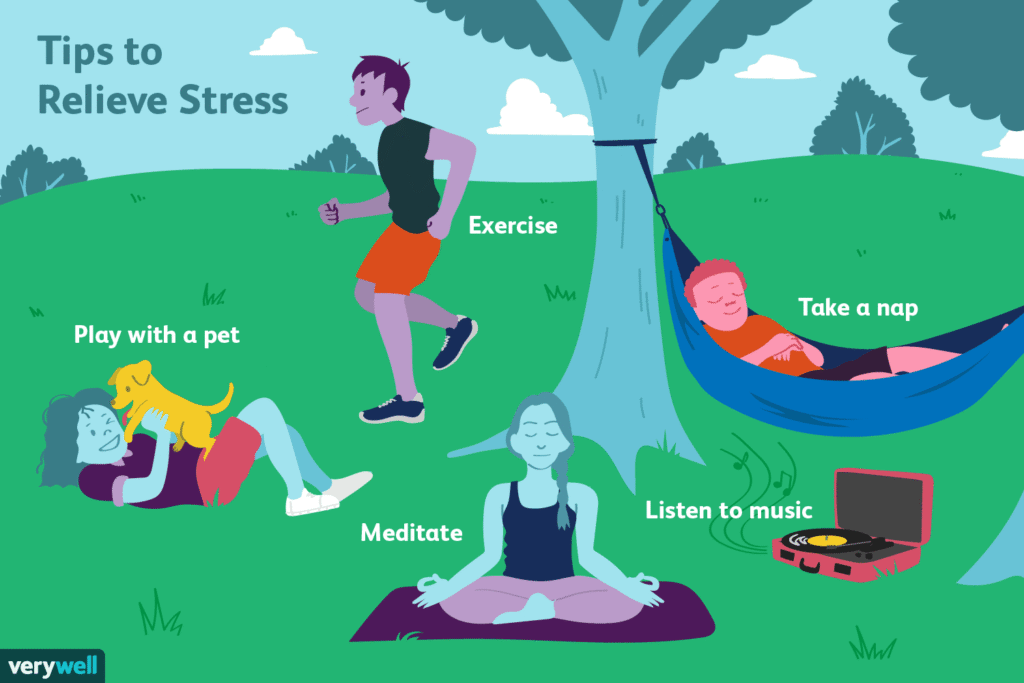
One of the most effective ways to manage stress is through mindfulness and meditation. Mindfulness helps you stay present and focus on the current moment instead of worrying about the past or future. Even spending 10–15 minutes a day practicing meditation or deep breathing can calm your mind and lower anxiety levels. Regular mindfulness practice improves emotional control and is widely recommended as a natural stress relief technique.
Maintain a Healthy Lifestyle
Your lifestyle plays a major role in your mental health. Eating a balanced diet, getting enough sleep, and staying physically active can significantly reduce stress. Regular exercise releases endorphins, also known as “feel-good hormones,” which help improve mood and reduce anxiety. A healthy lifestyle for stress management also includes limiting caffeine, avoiding excessive screen time, and staying hydrated.
Organize Your Time and Responsibilities
Poor time management often leads to unnecessary stress. When tasks pile up, it can feel overwhelming. Creating a daily schedule, setting priorities, and breaking big tasks into smaller steps can make responsibilities more manageable. Learning effective time management for stress reduction can help you feel more productive and less anxious.
Connect with Supportive People
Talking to someone you trust can make a big difference when you feel stressed or anxious. Sharing your thoughts with friends, family members, or a mentor can provide emotional relief and new perspectives. Strong social connections are important for mental health and stress management, as they remind you that you are not facing challenges alone.
Take Breaks and Practice Self-Care
Continuous work without rest can quickly lead to burnout. Taking regular breaks and engaging in activities you enjoy can help refresh your mind. Self-care activities such as reading, listening to music, journaling, or spending time in nature can significantly reduce anxiety levels. Making self-care for stress relief a part of your daily routine is essential for maintaining emotional balance.
Seek Professional Help When Needed
If stress and anxiety become overwhelming or start interfering with daily life, seeking professional help is important. Therapists, counselors, and mental health professionals can provide guidance, coping strategies, and support. Professional support plays a key role in long-term anxiety management and mental wellness.
Conclusion
Learning how to manage stress and anxiety is essential for living a healthier and more peaceful life. By practicing mindfulness, maintaining a healthy lifestyle, managing time effectively, and building supportive relationships, you can significantly reduce stress levels. Remember that small, consistent changes in daily habits can make a big difference in your mental well-being. Prioritizing your mental health today will help you lead a more balanced and fulfilling life in the long run.
FAQ: How to Manage Stress and Anxiety
1. What are the common causes of stress and anxiety?
Common causes of stress and anxiety include work pressure, financial problems, relationship issues, health concerns, and major life changes. Sometimes even daily responsibilities and lack of proper rest can lead to chronic stress and anxiety.
2. What are the early signs of stress and anxiety?
Some common signs include constant worry, irritability, difficulty concentrating, headaches, fatigue, sleep problems, and muscle tension. Recognizing these early symptoms can help you start stress management techniques before the problem becomes severe.
3. How can I reduce stress and anxiety naturally?
You can reduce stress naturally by practicing mindfulness and meditation, exercising regularly, maintaining a healthy diet, getting enough sleep, and spending time doing activities you enjoy. These natural methods are effective for reducing stress and improving mental health.