Benefits of Meditation for Mental Health | Reduce Stress & Anxiety Naturally
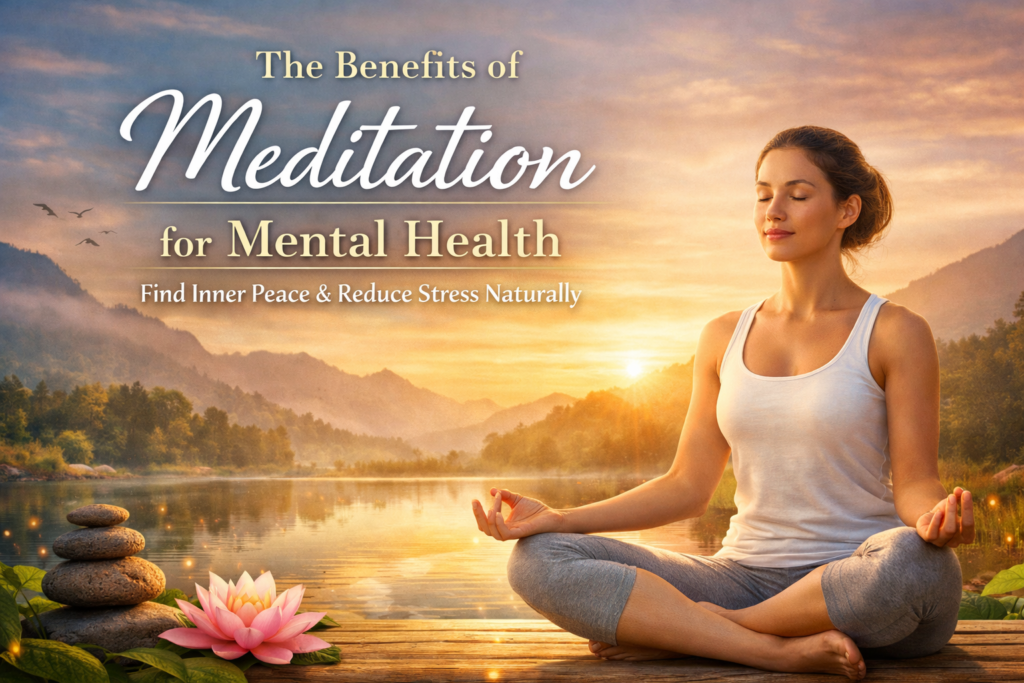
Discover the powerful benefits of meditation for mental health. Learn how meditation reduces stress, anxiety, and improves focus with simple daily practices.
Introduction
In today’s fast-paced world, our minds are constantly racing—juggling work, relationships, and endless notifications. It’s no surprise that stress, anxiety, and burnout are becoming more common. But what if the solution was as simple as sitting quietly for a few minutes each day?
Meditation is not just a spiritual practice anymore—it’s a scientifically backed method to improve mental health and overall well-being. Whether you’re a beginner or someone looking to deepen your practice, meditation can help bring balance, clarity, and calm into your life.
Benefits of Meditation
1. Reduces Stress and Anxiety
One of the most well-known benefits of meditation is its ability to reduce stress. Meditation helps calm the nervous system and lowers the production of stress hormones like cortisol.
When practiced regularly, it can:
- Reduce anxiety levels
- Promote emotional stability
- Help you respond calmly to stressful situations
2. Improves Focus and Concentration
Do you often find your mind wandering? Meditation trains your brain to stay present.
Benefits include:
- Better attention span
- Improved productivity
- Enhanced decision-making skills
Over time, meditation strengthens your ability to concentrate, making everyday tasks easier and more efficient.
3. Enhances Emotional Health
Meditation encourages self-awareness and helps you understand your thoughts and emotions better.
It can:
- Reduce negative thinking patterns
- Boost mood and positivity
- Help manage symptoms of depression
Many people report feeling lighter, happier, and more emotionally balanced after regular practice.
4. Promotes Better Sleep
If you struggle with overthinking at night, meditation can be a game changer.
It helps by:
- Relaxing the mind before bedtime
- Reducing insomnia
- Improving sleep quality
Guided meditation or deep breathing exercises before sleep can help you drift off faster and wake up refreshed.
5. Increases Self-Awareness
Meditation is like a mirror for your mind. It helps you understand your habits, triggers, and thought patterns.
With increased self-awareness, you can:
- Build healthier relationships
- Make better life choices
- Develop a stronger sense of purpose
6. Boosts Overall Mental Well-being
Regular meditation creates a sense of inner peace that reflects in all areas of life.
Long-term benefits include:
- Greater resilience to challenges
- Improved emotional intelligence
- A calmer, more positive outlook
How to Start Meditating (Beginner-Friendly Tips)
Starting meditation doesn’t have to be complicated:
- Start with just 5–10 minutes daily
- Find a quiet and comfortable space
- Focus on your breath
- Don’t try to “stop thinking”—just observe your thoughts
- Use guided meditation apps if needed
Consistency matters more than perfection.
Final Thoughts
Meditation is a simple yet powerful tool for improving mental health. In a world full of noise and distractions, taking a few moments to connect with yourself can make all the difference.
Start small, stay consistent, and let meditation guide you toward a calmer, healthier mind.
FAQs
1. How long should I meditate daily?
Even 10 minutes a day can be effective. As you get comfortable, you can increase the duration.
2. Can meditation really help with anxiety?
Yes, regular meditation has been shown to reduce anxiety and promote relaxation.
3. Is meditation suitable for beginners?
Absolutely! Anyone can start meditating, regardless of experience.
4. When is the best time to meditate?
Morning is ideal, but you can meditate anytime that fits your routine.