CBD vs THC: Key Differences, Benefits, and Which One Is Better for Wellness
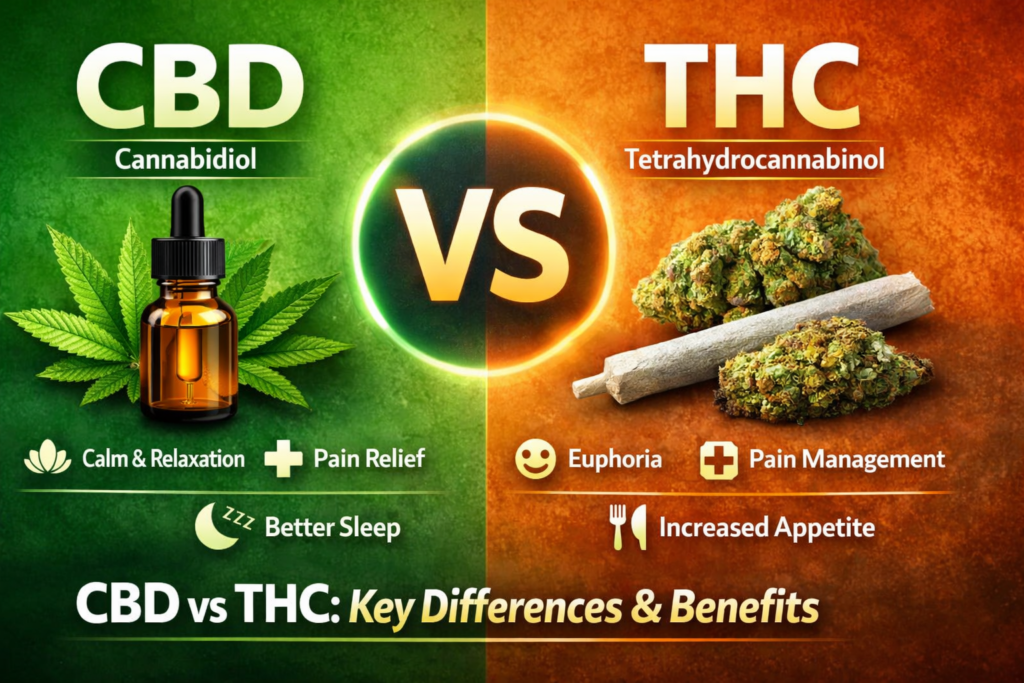
Learn the difference between CBD and THC, their health benefits, effects, and which one is better for wellness. A complete beginner’s guide to CBD vs THC.
Introduction
The conversation around cannabis-based wellness products has grown rapidly in recent years. Two compounds that frequently appear in discussions about natural health solutions are CBD (Cannabidiol) and THC (Tetrahydrocannabinol). Although both come from the cannabis plant, they have very different effects on the body and mind. Understanding the difference between CBD and THC can help people choose the right option for their wellness goals. From stress relief to pain management, both compounds have unique properties that contribute to the growing popularity of cannabis-derived wellness products.
What Is CBD (Cannabidiol)?
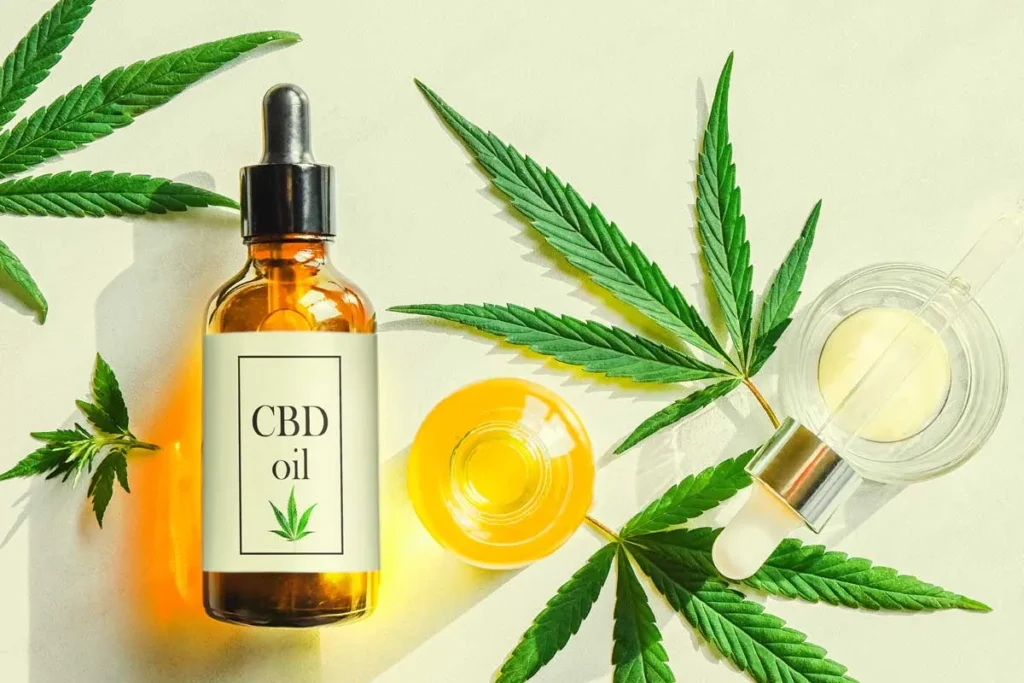
CBD, or cannabidiol, is one of the most widely known compounds found in the cannabis plant. Unlike THC, CBD does not cause a psychoactive “high.” Instead, it interacts with the body’s endocannabinoid system, which plays a role in regulating mood, sleep, pain, and immune responses.
CBD products are commonly used in the wellness industry for their potential anti-inflammatory, calming, and therapeutic properties. Many people use CBD oils, capsules, gummies, or creams to support relaxation, improve sleep quality, and manage everyday stress. Because it does not alter mental clarity, CBD has become a popular natural wellness option for individuals looking for plant-based health support.
What Is THC (Tetrahydrocannabinol)?
THC, or tetrahydrocannabinol, is the compound in cannabis responsible for the psychoactive effects commonly associated with marijuana. When consumed, THC interacts with brain receptors and produces feelings of euphoria, relaxation, and altered perception.
While THC is often associated with recreational cannabis use, it also has medicinal benefits. In some countries and regions where medical cannabis is legal, THC is used to help manage chronic pain, nausea from chemotherapy, appetite loss, and certain neurological conditions. However, because THC produces a “high,” its use is more regulated compared to CBD.
CBD vs THC: Key Differences
Although CBD and THC come from the same plant, they affect the body differently. The most noticeable difference is that THC causes intoxication while CBD does not. This means CBD can be used during daily activities without impairing mental function.
Another important difference lies in their legal status. CBD derived from hemp is legal in many regions, whereas THC is often restricted due to its psychoactive properties. Additionally, CBD is typically associated with calming and balancing effects, while THC is more commonly linked to euphoria and stronger neurological effects.
Despite these differences, both compounds interact with the endocannabinoid system, which helps regulate many bodily functions.
Potential Health Benefits of CBD
CBD has become one of the most popular natural wellness ingredients due to its potential therapeutic properties. Many studies and anecdotal reports suggest that CBD may support a variety of health concerns.
One of the most common reasons people use CBD is for stress and anxiety relief. It may help promote relaxation and improve mood balance. CBD is also widely used for pain management and inflammation reduction, especially among people dealing with muscle soreness or chronic discomfort.
Another major benefit of CBD is its potential to improve sleep quality. Many users report better sleep patterns after incorporating CBD into their wellness routine. Additionally, CBD skincare products are gaining popularity because of their anti-inflammatory and antioxidant properties, which may help support healthy skin.

Potential Health Benefits of THC
THC also offers several medical benefits when used responsibly and under proper regulation. One of its most well-known applications is pain relief, particularly for people dealing with severe or chronic conditions.
THC is also used in medical settings to reduce nausea and vomiting, especially in patients undergoing chemotherapy. Another benefit is its ability to stimulate appetite, which can help individuals experiencing appetite loss due to illness or medication.
Some studies also suggest THC may help with sleep disorders and muscle spasms, although its psychoactive effects make it less suitable for everyday wellness use compared to CBD.
Which Is Better for Wellness: CBD or THC?
When it comes to choosing between CBD and THC, the right option depends on individual health goals and local regulations. For people seeking natural stress relief, better sleep, or daily wellness support, CBD is often the preferred choice because it does not produce a high.
THC, on the other hand, may be more suitable for specific medical conditions where stronger effects are required, such as chronic pain or severe nausea. However, because THC is psychoactive and legally restricted in many areas, it should only be used where permitted and ideally under medical guidance.
For wellness-focused lifestyles, CBD products are generally considered more accessible and easier to incorporate into daily routines.
Popular CBD and THC Product Types
The wellness market offers a wide variety of products containing CBD and THC. Some of the most common forms include CB gummies, capsules, and topical.
THC products are often available in medical cannabis formulations, edibles, oils, or inhalable products in regions where they are legally permitted. The choice of product often depends on personal preference, dosage needs, and the desired speed of effects.
Consumers should always choose high-quality products from reputable brands that provide third-party lab testing to ensure safety and purity.
Safety and Legal Considerations
Before using any cannabis-derived product, it is important to understand the legal regulations in your region. While CBD derived from hemp is legal in many countries, THC remains restricted or regulated in several places.
Safety is another important factor. People should start with low doses and gradually increase if necessary, especially when trying a product for the first time. Consulting a healthcare professional is also recommended for individuals with existing medical conditions or those taking medications.
Conclusion
Both CBD and THC come from the cannabis plant, but their effects and uses are quite different. CBD is widely recognized for its non-psychoactive wellness benefits, including stress relief, better sleep, and anti-inflammatory support. THC, while psychoactive, also offers important medical benefits when used responsibly.
Understanding the CBD vs THC differences can help consumers make informed choices about which compound best supports their health and wellness goals. As research continues and the wellness industry evolves, both compounds are likely to play a significant role in the future of natural health solutions.
FAQ Section
What is the main difference between CBD and THC?
The main difference between CBD and THC is that THC causes a psychoactive high, while CBD does not produce intoxicating effects.
Is CBD safer than THC?
CBD is generally considered safer for everyday wellness use because it does not impair mental function and has fewer side effects compared to THC.
Can CBD make you feel high?
No, CBD does not produce a high. It interacts with the body in a way that promotes calmness and balance without intoxication.
Is THC legal everywhere?
No, THC legality varies by country and region. In many places it is restricted or only available for medical use, while CBD products are more widely legal.
Which is better for anxiety: CBD or THC?
CBD is generally considered better for anxiety because it promotes relaxation without causing psychoactive effects.