Black Haldi: Rare Production, Benefits, Availability and Price in India
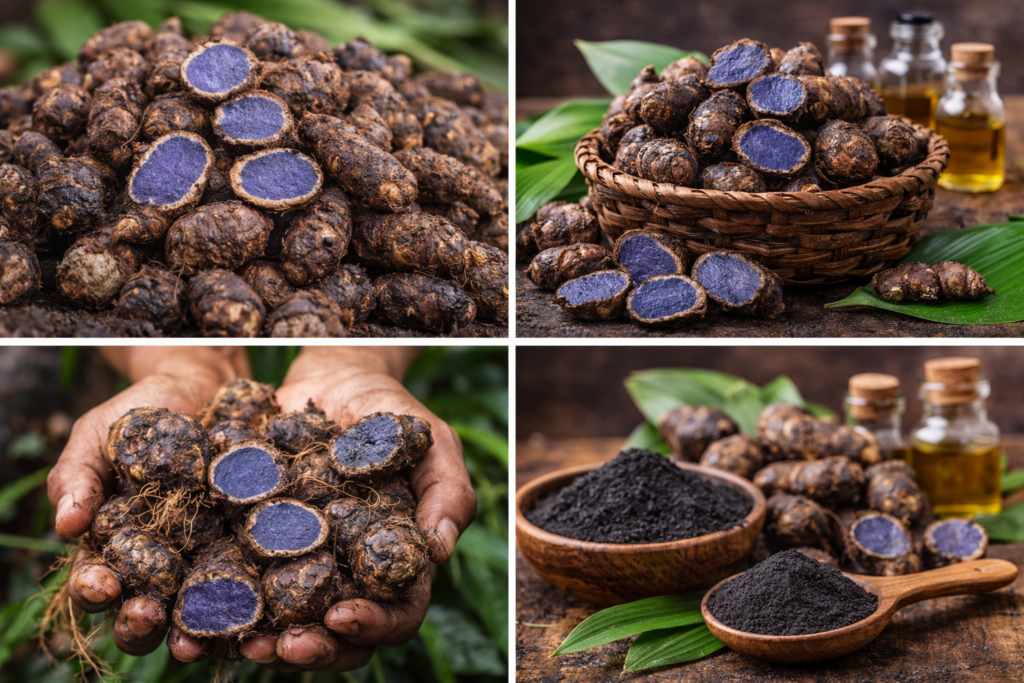
Discover black haldi benefits, rare production details, availability, and price in India. Learn why black turmeric is considered special, how it is used, and what affects its market value.
Black Turmeric in India:
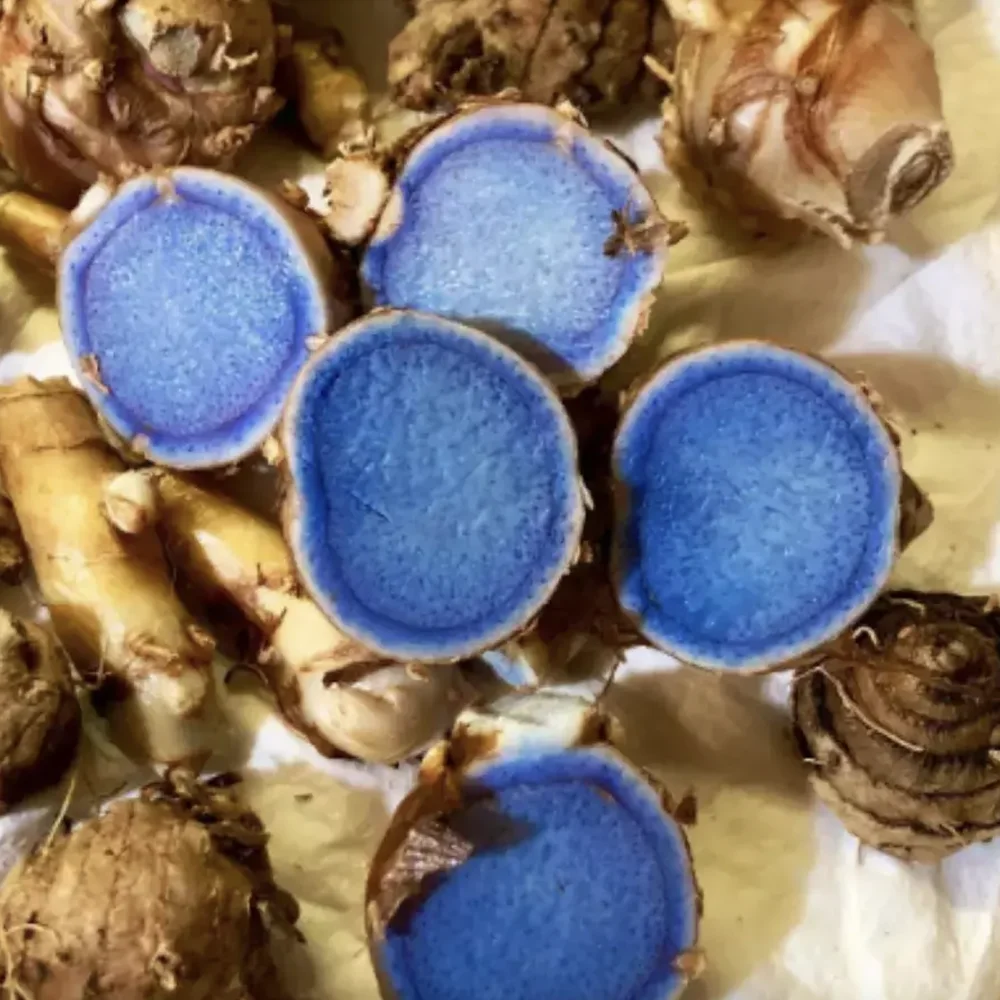
Black haldi, also known as black turmeric, is one of those rare herbs that instantly catches attention. Unlike regular yellow turmeric found in almost every Indian kitchen, black haldi is much less common and is known for its dark bluish-black rhizome and strong camphor-like aroma. Its botanical name is Curcuma caesia, and it is mainly found in parts of Northeast and Central India. Because of its limited cultivation and growing interest in herbal products, black haldi has become a topic of curiosity for farmers, wellness seekers, and buyers alike. Research literature describes black turmeric as a native Indian species with traditional medicinal use, while also noting that it is not widely available.
What Makes Black Haldi So Rare?
The biggest reason black haldi feels rare is simple: it is not cultivated on the same scale as common turmeric. Its availability is limited to selected regions and growers, and many people still know very little about it. Studies on Curcuma caesia note its limited availability in several parts of India and mention concerns around scarcity in the wild and low accessibility in markets.
Another reason behind its rarity is that black haldi is often valued not just as a crop, but also for traditional uses linked to Ayurveda, folk practices, and cultural beliefs. This gives it a niche demand. Since production is still relatively low compared to regular haldi, the supply stays tight, which naturally increases curiosity and price in the market.
Black Haldi Production in India
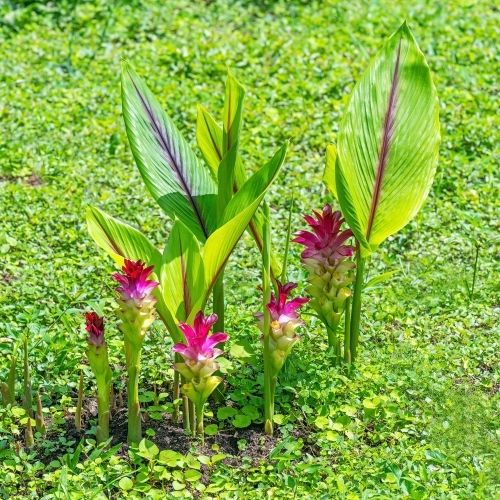
Black haldi grows best in warm and humid climates, making parts of India suitable for its cultivation. It is associated especially with Northeast India and some central and eastern regions. Scientific sources describe it as native to Northeast and Central India, which also explains why it is not evenly available across the country.
Production remains limited because farmers often prefer crops with easier market access and more stable demand. Regular turmeric already has an established market, while black haldi is still sold more selectively. That said, interest in medicinal plants and specialty crops has increased in recent years, and this has encouraged more people to explore black haldi cultivation.
Benefits of Black Haldi
Black haldi has long been used in traditional medicine. Folk use reports and review papers mention it in connection with respiratory discomfort, bruises, skin issues, digestive complaints, and pain-related conditions. Some laboratory studies also suggest antioxidant and other bioactive properties. Still, most of the strong evidence comes from traditional use and early-stage studies rather than large clinical trials in humans.
1. Traditional wellness support
In traditional practice, black haldi rhizome has been used for issues such as bruises, sprains, stomach discomfort, and respiratory complaints.
2. Antioxidant potential
Research on extracts of Curcuma caesia has reported antioxidant activity, which is one reason it attracts scientific interest.
3. Aromatic and herbal value
Its distinct camphor-like aroma makes it different from normal turmeric. This unique profile adds to its appeal in herbal and traditional wellness circles.
A Practical Note on Health Claims
It is important to be careful with black haldi health claims. While traditional use is well documented, that does not automatically mean every claimed benefit is proven in modern medicine. Research reviews describe promising biological activity, but stronger human studies are still needed. So it is better to present black haldi as a traditional medicinal plant with growing scientific interest, not as a guaranteed cure.
Black Haldi Availability in India
Black haldi is usually not as easy to find as common turmeric. In many places, it is sold through herbal plant nurseries, medicinal plant growers, local specialty markets, and online sellers dealing in rare herbs or planting material. Its availability often depends on the season, harvest cycle, and region. Literature describing the plant repeatedly notes that it is not widely available and can be difficult to source in some markets.
If someone is looking for black haldi, they may find it in a few forms:
fresh rhizome, dried pieces, powder, or planting rhizomes for cultivation. Fresh and authentic material is usually more difficult to source than powder, because powder can vary in purity and quality.
Black Haldi Price in India
Black haldi price can vary a lot depending on quality, freshness, form, and source. Because it is a niche product with limited supply, its price is usually higher than regular turmeric. Planting rhizomes, fresh black haldi, and processed powder may all have different market rates. In practical market terms, scarcity and limited cultivation are major reasons for higher prices, which is consistent with the literature describing its low availability.
Instead of quoting one fixed number, it is better to explain that the price changes based on:
product form, whether it is fresh or dried, quantity purchased, regional supply, and whether it is meant for farming or personal use.
Why Demand for Black Haldi Is Growing
People today are more interested in natural wellness, herbal plants, and traditional remedies than before. This shift has helped rare plants like black haldi gain attention. Buyers are not only interested in its possible benefits, but also in its uniqueness. For some, it is a medicinal herb. For others, it is a specialty farming opportunity. And for many, it is simply a fascinating plant that stands apart from common turmeric.
Final Thoughts
Black haldi is rare for a reason. Its limited cultivation, special identity, and traditional value make it one of the more interesting medicinal plants in India. Whether you are curious about its benefits, looking into its availability, or trying to understand its price, one thing is clear: black turmeric is not an everyday herb. It holds a unique place where tradition, scarcity, and growing market interest meet.
If you are writing for readers, keep the tone simple and honest. Black haldi is best presented not as a miracle product, but as a rare and valued herbal plant with traditional uses, limited supply, and rising popularity.
FAQ:
1. What is black haldi?
Black haldi, also known as black turmeric, is a rare medicinal plant with a dark outer skin and bluish-black inner flesh. It is different from regular yellow turmeric and is valued for its traditional uses, unique appearance, and limited availability.
2. Why is black haldi considered rare?
Black haldi is considered rare because it is not cultivated on a large scale like common turmeric. Its production is limited, and it is mainly found in selected regions of India, which makes it harder to source in the market.
3. What are the benefits of black haldi?
Black haldi is traditionally known for its use in herbal remedies and wellness practices. Many people use it for its calming properties, traditional healing value, and cultural significance. It is also popular in Ayurvedic and folk practices.