Why My Hairs Are Falling
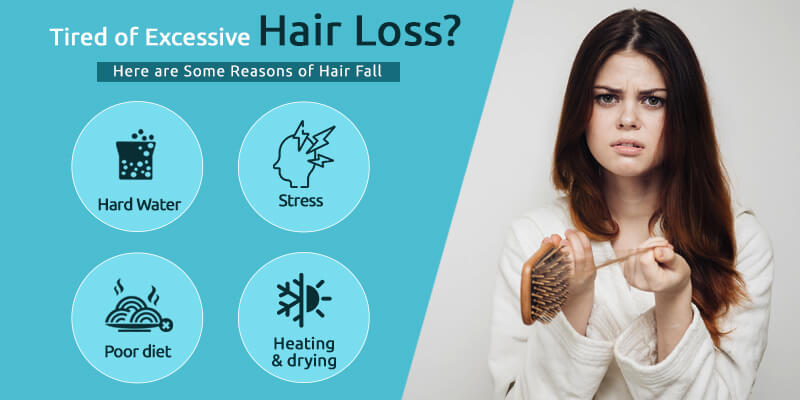
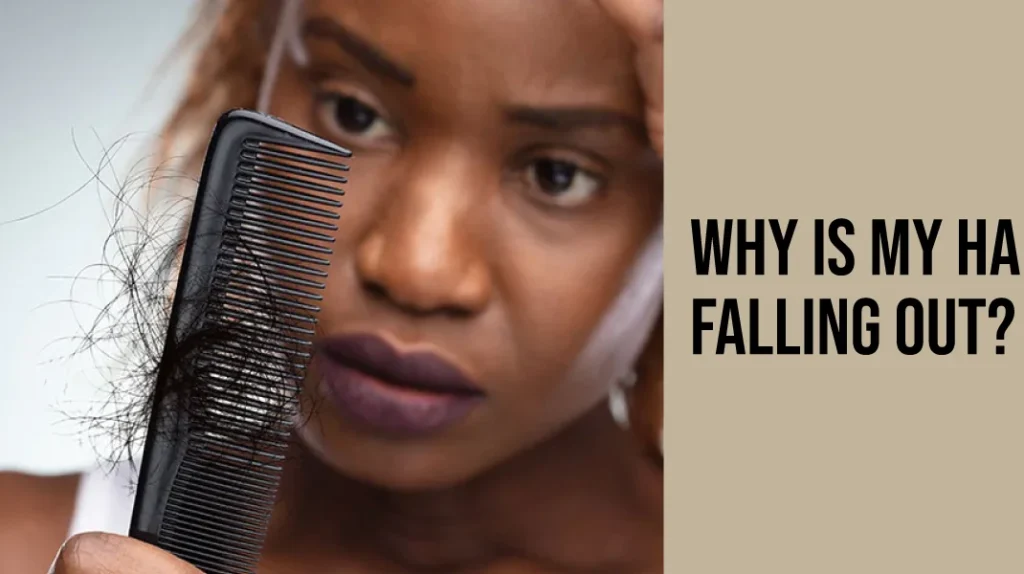
Hair thinning is a common concern affecting both men and women. Many people often ask, “Why is my hair getting thin?” If you have noticed your hair becoming less dense, weaker, or more fragile, you are not alone. Hair thinning can happen due to several reasons such as lifestyle habits, health conditions, stress, or poor nutrition. Understanding the causes of thinning hair can help you take the right steps to restore healthy and strong hair.
In this blog, we will explore the main causes of hair thinning, symptoms, and effective solutions to prevent further hair loss.
What Is Hair Thinning?
Hair thinning refers to a gradual reduction in the density and thickness of hair strands. Unlike sudden hair loss, thinning hair happens slowly over time. You may notice your ponytail becoming smaller, more scalp visibility, or increased hair fall while brushing or washing your hair.
Hair thinning can occur due to aging, hormonal changes, or lifestyle factors. The good news is that in many cases, hair thinning can be managed with proper care, nutrition, and treatment.
Common Causes of Hair Thinning
1. Nutritional Deficiencies
One of the most common causes of hair thinning is lack of essential nutrients. Hair needs vitamins and minerals like iron, biotin, zinc, and protein to grow properly.
If your diet lacks these nutrients, your hair follicles may become weak, leading to hair thinning and hair fall.
Foods that support healthy hair growth include:
Eggs
Nuts and seeds
Spinach
Fish
Lentils
Fruits rich in Vitamin C
Eating a balanced diet for hair growth can significantly improve hair thickness and strength.
2. Stress and Lifestyle Factors
High stress levels can affect your overall health, including your hair. Stress can push hair follicles into a resting phase, leading to excessive shedding. This condition is commonly known as stress-related hair loss.
Poor sleep, irregular lifestyle habits, and lack of exercise can also worsen hair thinning.
Practicing stress management techniques such as meditation, yoga, and regular exercise can help reduce hair loss and promote healthy hair growth.
3. Hormonal Imbalance
Hormonal changes are another major cause of thinning hair. Conditions such as thyroid disorders, PCOS, pregnancy, or menopause can affect hormone levels and lead to hair thinning.
Hormonal hair loss may also appear as gradual thinning around the scalp or hairline. Consulting a healthcare professional can help identify and treat hormonal imbalances.
4. Excessive Hair Styling
Frequent use of heat styling tools like hair dryers, straighteners, and curling irons can weaken hair strands. Tight hairstyles such as ponytails, braids, and buns can also put pressure on hair roots.
Over time, this can lead to hair breakage and thinning hair.
To prevent this:
Limit heat styling tools
Use gentle hair care products
Avoid tight hairstyles
Let your hair dry naturally when possible
5. Aging
As we age, hair naturally becomes thinner. Hair growth slows down, and follicles may shrink, producing finer strands.
This is a normal biological process, but proper hair care and nutrition can help maintain healthier and fuller-looking hair.
6. Medical Conditions and Medications
Certain health conditions and medications can cause hair thinning. Conditions such as anemia, thyroid problems, and autoimmune diseases can affect hair growth.
Some medications used for depression, blood pressure, or chemotherapy may also lead to hair loss as a side effect.
If you suspect your medication is causing hair thinning, consult your doctor before making any changes.
Signs Your Hair Is Thinning
Recognizing the early signs of thinning hair can help you take action sooner. Some common signs include:
Increased hair fall while combing or washing
Visible scalp in certain areas
Thinner ponytail or braid
Hair strands becoming finer and weaker
Slow hair growth
If you notice these symptoms, it is important to start improving your hair care routine and overall health.
How to Prevent Hair Thinning Naturally
Maintain a healthy diet
Eating nutrient-rich foods is essential for strong and thick hair. Include foods rich in protein, iron, omega-3 fatty acids, and vitamins.
Proper nutrition supports hair follicle health and hair regrowth.
Reduce stress
Chronic stress can damage hair follicles. Practicing relaxation techniques like meditation, breathing exercises, and regular physical activity can improve hair health.
Reducing stress is one of the most effective natural remedies for hair thinning.
Use Gentle Hair Care Products
Choose mild shampoos and conditioners that do not contain harsh chemicals. Sulfate-free products are often better for maintaining scalp health.
Avoid overwashing your hair, as it can strip natural oils.
Massage Your Scalp
Regular scalp massages improve blood circulation and stimulate hair follicles. This can promote hair growth and thicker hair over time.
You can use natural oils such as coconut oil, castor oil, or almond oil for better results.
Stay Hydrated
Drinking enough water helps maintain scalp hydration and supports healthy hair growth. Dehydration can lead to dry, brittle hair that breaks easily.
When Should You See a Doctor?
If your hair thinning is severe or sudden, it is important to consult a healthcare professional. Medical tests can help identify underlying conditions such as anemia or hormonal imbalance.
Early treatment can prevent further hair loss and improve hair health.
conclusion
Hair thinning can be caused by several factors including nutritional deficiencies, stress, hormonal changes, aging, and improper hair care. Understanding the root cause is the first step toward solving the problem.
By maintaining a healthy lifestyle, eating a balanced diet, managing stress, and following a proper hair care routine, you can improve hair strength and reduce hair thinning.
If the problem persists, seeking professional medical advice can help identify the right treatment and restore healthy hair growth.
FAQ: Hair Thinning
1. Why is my hair getting thin suddenly?
Sudden hair thinning can be caused by stress, illness, hormonal changes, or nutritional deficiencies.
2. Can thin hair become thick again?
Yes, in many cases thin hair can become thicker with proper nutrition, hair care, and treatment.
3. Which vitamin deficiency causes hair thinning?
Deficiencies in iron, Vitamin D, biotin, and zinc are commonly linked to hair thinning.
4. Does stress cause hair thinning?
Yes, high stress levels can trigger hair shedding and lead to temporary hair thinning.