The 5 Cs of Wellness
Introduction
In today’s fast-paced world, maintaining overall well-being can feel overwhelming. Between work stress, digital distractions, and lifestyle habits, many people struggle to stay physically and mentally healthy. This is where the 5 Cs of wellness come into play.
The **5 Cs of wellness—Connection, Care, Coping, Calmness, and Consistency—**offer a simple yet powerful framework for improving your physical, mental, and emotional health. By focusing on these five core principles, you can build a healthier lifestyle and improve your overall quality of life.
In this guide, we will explore what the 5 Cs of wellness are, why they matter, and how you can apply them in daily life.
What Are the 5 Cs of Wellness?
The 5 Cs of wellness represent five essential pillars that support overall health and well-being. These pillars help individuals develop healthy habits, manage stress, and create balance in life.
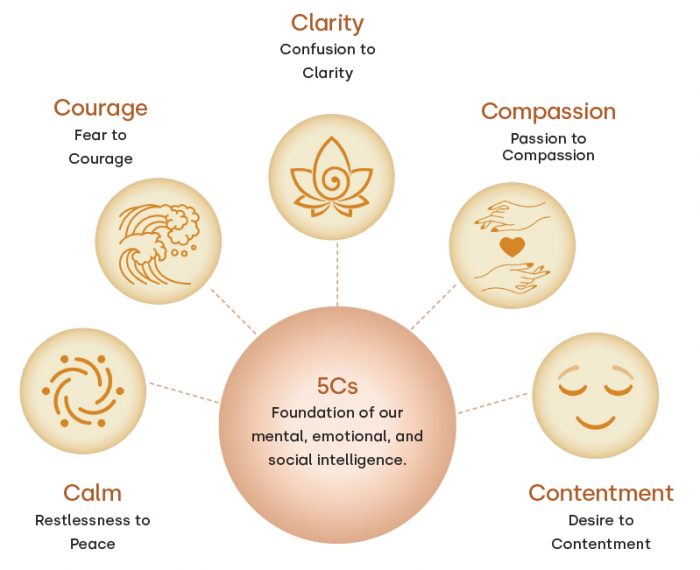
The five Cs include:
Connection
Care
Coping
Calmness
Consistency
When practiced regularly, these principles can significantly improve mental health, emotional stability, and physical wellness.
1. Connection: Building Meaningful Relationships
relationships with family, friends, and community members help create emotional support systems that improve mental health.
Studies show that people with strong social connections often experience lower stress levels, improved mood, and better overall health.
You can improve connection in your life by:
Spending quality time with loved ones
Joining community groups or social clubs
Practicing active listening in conversations
Limiting excessive social media use and focusing on real interactions
Building genuine connections helps create a sense of belonging, which is crucial for emotional well-being.
2. Care: Prioritizing Self-Care
Self-care is an essential part of maintaining long-term wellness. Care involves nurturing your body, mind, and emotions through healthy habits and mindful practices.
Self-care does not mean indulgence; instead, it means taking responsibility for your health and well-being.
Some simple self-care practices include:
Eating nutritious foods
Getting enough sleep
Exercising regularly
Practicing personal hygiene
Taking breaks from work
When you prioritize self-care, you build resilience and maintain better physical and mental health.
3. Coping: Managing Stress Effectively
Stress is a natural part of life, but how you cope with stress determines your overall wellness. Developing healthy coping mechanisms allows you to manage challenges without harming your mental or physical health.
Healthy coping strategies may include:
Practicing mindfulness or meditation
Journaling your thoughts and emotions
Talking to trusted friends or family
Engaging in hobbies you enjoy
Seeking professional help when needed
Learning effective coping skills can reduce anxiety, improve emotional stability, and help you navigate life’s challenges more confidently.
4. Calmness: Cultivating Inner Peace
Calmness plays a vital role in wellness because it helps balance the mind and body. In a world filled with constant noise and distractions, finding moments of calm can significantly improve mental clarity and emotional health.
Practicing calmness helps reduce stress, anxiety, and mental fatigue.
Ways to cultivate calmness include:
Meditation and deep breathing exercises
Yoga or gentle stretching
Spending time in nature
Limiting screen time before bed
Practicing gratitude daily
Creating calm moments in your daily routine allows your mind to reset and maintain emotional balance.
5. Consistency: Building Sustainable Habits
The final and most important pillar of wellness is consistency. Healthy habits only produce results when they are practiced regularly over time.
Many people start wellness routines but struggle to maintain them. Consistency ensures that small positive habits become a permanent part of your lifestyle.
You can build consistency by:
Setting realistic wellness goals
Creating daily routines
Tracking your progress
Staying patient with your journey
Celebrating small achievements
Remember, long-term wellness is not about perfection but about consistent progress.
Why the 5 Cs of Wellness Matter
The 5 Cs of wellness framework offers a holistic approach to health. Instead of focusing only on physical fitness, it addresses emotional, social, and mental well-being as well.
Benefits of practicing the 5 Cs include:
Reduced stress and anxiety
Better emotional resilience
Improved physical health
Stronger relationships
Greater life satisfaction
By integrating these five pillars into your lifestyle, you can create a balanced and sustainable wellness routine.
Simple Ways to Start Practicing the 5 Cs Today
If you want to incorporate the 5 Cs of wellness into your daily life, start with small steps.
For example:
Call a friend to strengthen your connection
Schedule a relaxing activity for self-care
Practice deep breathing when feeling stressed to improve coping
Spend five minutes meditating for calmness
Repeat healthy habits daily to build consistency
Even small changes can lead to meaningful improvements in your overall well-being.
Conclusion
The **5 Cs of wellness—Connection, Care, Coping, Calmness, and Consistency—**provide a powerful yet simple framework for living a healthier and more balanced life. By focusing on these five pillars, you can improve your mental, emotional, and physical health while building habits that support long-term well-being.
Wellness is not about drastic changes or perfection. It is about making small, consistent choices every day that support your health and happiness.
Start applying the 5 Cs of wellness today, and take the first step toward a more balanced and fulfilling life.
Frequently Asked Questions (FAQs)
What are the 5 Cs of wellness?
The 5 Cs of wellness are Connection, Care, Coping, Calmness, and Consistency. These five principles focus on improving mental, emotional, and physical well-being by encouraging healthy habits, strong relationships, effective stress management, inner peace, and sustainable routines.
Why are the 5 Cs of wellness important?
The 5 Cs of wellness are important because they provide a holistic framework for maintaining balance in life. Practicing these principles can reduce stress, improve mental health, strengthen relationships, and help individuals build healthier lifestyles.
How can I practice the 5 Cs of wellness daily?
You can practice the 5 Cs of wellness by maintaining healthy habits such as connecting with loved ones, prioritizing self-care, managing stress effectively, practicing mindfulness, and staying consistent with positive routines like exercise and proper sleep.
Can the 5 Cs of wellness improve mental health?
Yes, the 5 Cs of wellness can significantly improve mental health. Building social connections, practicing calmness through meditation, and developing healthy coping strategies help reduce anxiety, stress, and emotional burnout.